Jaipur is Rajasthan’s capital and one of India’s most important heritage cities, known for its planned Pink City, hill forts, royal palaces, astronomical instruments, bazaars, crafts, food and nearby wildlife. The city rewards more than a rushed monument checklist: its street plan, living markets, temples, workshops and surrounding Aravalli landscape explain why Jaipur became a royal capital, a commercial centre and part of India’s Golden Triangle.
For a first visit, we recommend two full sightseeing days and three nights in Jaipur. One day can introduce Amber and the historic centre, but a second day gives you room for museums, markets, food, a slower heritage walk or a Jhalana safari. Add a third day for craft experiences, religious sites, family-friendly stops or an excursion outside the city.
Start by comparing our Jaipur tours and experiences, then use this guide to decide what belongs in your itinerary.
Jaipur at a glance
| Question | Quick answer |
|---|---|
| Where is Jaipur? | In eastern Rajasthan, India; it is the state capital |
| Why is Jaipur famous? | Planned heritage streets, forts, palaces, bazaars, crafts, food and wildlife |
| Why is it called the Pink City? | The historic façades were painted a terracotta-pink colour for the 1876 royal visit |
| Who founded Jaipur? | Sawai Jai Singh II in 1727 |
| Is Jaipur a UNESCO World Heritage Site? | The walled city is; Jantar Mantar and Amber also belong to separate UNESCO properties |
| How many days are enough? | Two full days for the essentials; three or more for a deeper visit |
| When is Jaipur most comfortable? | Generally October to March, with cooler mornings and evenings in winter |
| What is the main railway station? | Jaipur Junction |
| Which airport serves the city? | Jaipur International Airport at Sanganer |
| Can you see wildlife in Jaipur? | Yes; Jhalana offers scheduled forest safaris, but sightings are never guaranteed |
Historical references: UNESCO: Jaipur City, UNESCO: Hill Forts of Rajasthan and Rajasthan Tourism’s Jaipur guide.
Why is Jaipur famous?
Jaipur is famous because it combines three experiences in one destination. The first is the royal landscape of Amber, Jaigarh and Nahargarh, where forts overlook valleys, lakes and old approaches to the city. The second is the walled Pink City, with its straight commercial streets, monumental gates, public squares, temples, palaces and workshops. The third is modern Jaipur: Rajasthan’s state capital, a transport hub, a hospitality centre and a base for food, shopping, festivals and wildlife excursions.
The city is also unusually rich in World Heritage recognition. The historic walled city was inscribed by UNESCO in 2019. Jantar Mantar has its own inscription as an astronomical observation site, while Amber forms part of the serial Hill Forts of Rajasthan property. These are distinct designations, so it is more accurate to describe Jaipur as a city with several World Heritage connections than to treat every attraction as one UNESCO site.
Jaipur also forms the western point of the Delhi–Agra–Jaipur Golden Triangle. That makes it accessible to first-time visitors to India, but its identity is not limited to the circuit. It remains a living centre for jewellery, gemstones, block printing, textiles, blue pottery, miniature painting, temple worship, regional cuisine and public festivals.
A short history of Jaipur
Amber before Jaipur
The history of Jaipur begins before the present city. Amber, north of Jaipur, served as the earlier capital of the Kachwaha rulers. Its fortified palace complex developed over generations and reflects the political and artistic exchanges of Rajput courts, including influences associated with Mughal architecture.
Amber’s palaces, courtyards, audience halls, gardens and defensive setting make it more than a picturesque fort. UNESCO identifies Amber as representative of a major 17th-century phase in the development of a Rajput–Mughal court style. Source: UNESCO Hill Forts of Rajasthan.
The founding of Jaipur in 1727
Sawai Jai Singh II founded Jaipur in 1727, moving the capital from Amber to a new site on the plain. Rajasthan Tourism connects this decision with Amber’s growing population and water limitations. The new capital offered space for planned streets, markets, residential quarters and royal institutions.
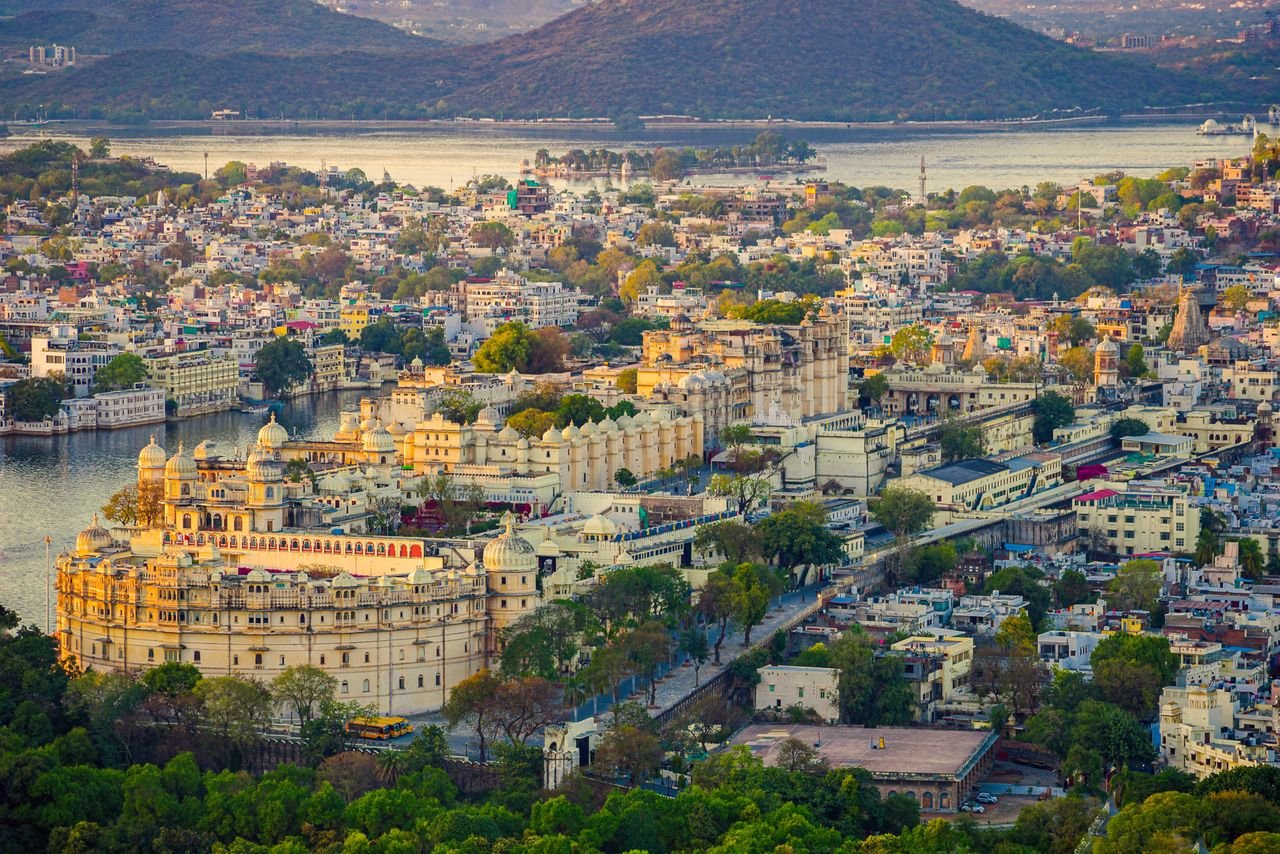
Jaipur was conceived as a commercial city as well as a political capital. UNESCO describes its grid plan, broad intersecting streets, chaupars or public squares, chowkris or urban sectors, continuous commercial façades, temples and havelis. The plan brought together traditional Indian concepts with ideas also visible in Mughal and Western planning. Source: UNESCO Jaipur City.
Vidyadhar Bhattacharya is closely associated with the city’s planning. The result was not a settlement that grew only through gradual, irregular expansion: major elements of the new capital were deliberately organised in the early years of construction.
Astronomy and Sawai Jai Singh II
Jai Singh II was also a patron of astronomy. Jantar Mantar in Jaipur contains monumental fixed instruments designed for naked-eye observation of celestial positions. UNESCO calls it the most significant and best-preserved collection of such monumental instruments built in India in the first half of the 18th century. Source: UNESCO Jantar Mantar.
This scientific context matters because it changes the way visitors read Jaipur. The observatory, palace and city plan all express an interest in measurement, order, administration and cosmology, not simply royal decoration.
How Jaipur became the Pink City
Jaipur’s “Pink City” identity is connected with the 1876 visit of the Prince of Wales, when the city was painted in a colour associated with hospitality. The present historic façades are closer to a warm terracotta or salmon tone than bright pink.
The colour is part of a larger streetscape. Uniform façades, arcaded shops, city gates and continuous market streets create the visual character of the walled city. The name “Pink City” should therefore lead visitors into the old city rather than only to a Hawa Mahal photograph.
From princely capital to Rajasthan’s capital
Jaipur continued to develop under later rulers through public buildings, gardens, museums and institutions. In the period after Indian independence, Jaipur became the capital of the state of Rajasthan. Today its historic core operates inside a large modern city, and that overlap explains both its energy and its pressures.
Markets, temples and homes retain living uses, while major buildings function as museums or public monuments. Conservation must therefore address traffic, infrastructure, commercial needs, residents and visitors at the same time.
Jaipur’s three World Heritage connections
| World Heritage property | What it covers in Jaipur | Why it matters |
|---|---|---|
| Jaipur City, Rajasthan | The historic walled city and its planned urban form | Grid planning, bazaars, gates, chaupars, temples, havelis and craft traditions |
| Jantar Mantar, Jaipur | The monumental astronomical observatory | Large fixed instruments and early-18th-century observational science |
| Hill Forts of Rajasthan | Amber as one of six forts in a serial property | Rajput fort planning, court culture, architecture and landscape adaptation |
These designations strengthen Jaipur’s cultural importance, but they do not remove the need for visitor care. UNESCO reporting also records development and conservation pressures. Respect barriers, avoid touching delicate surfaces, do not climb for photographs and use authorised paths.
Amber Fort and Palace: Jaipur’s essential excursion
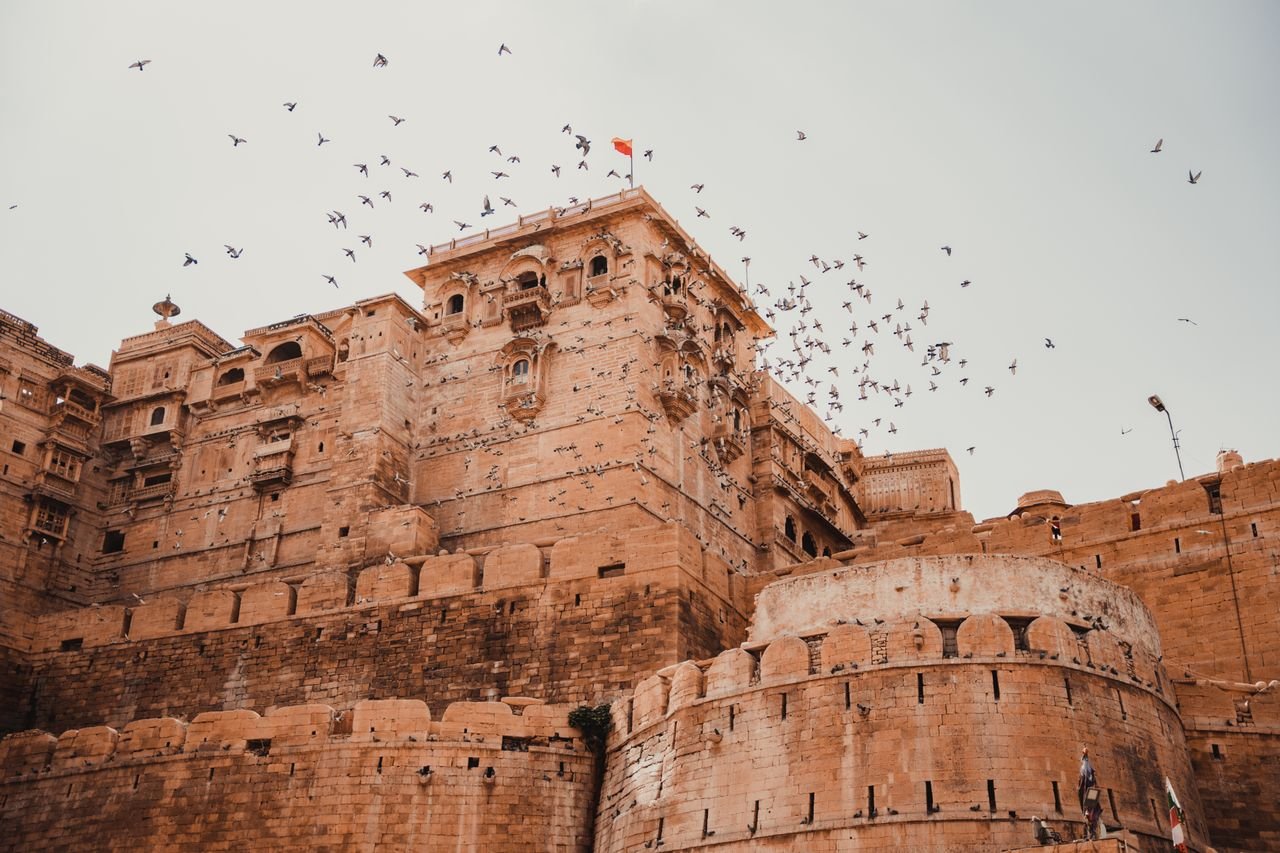
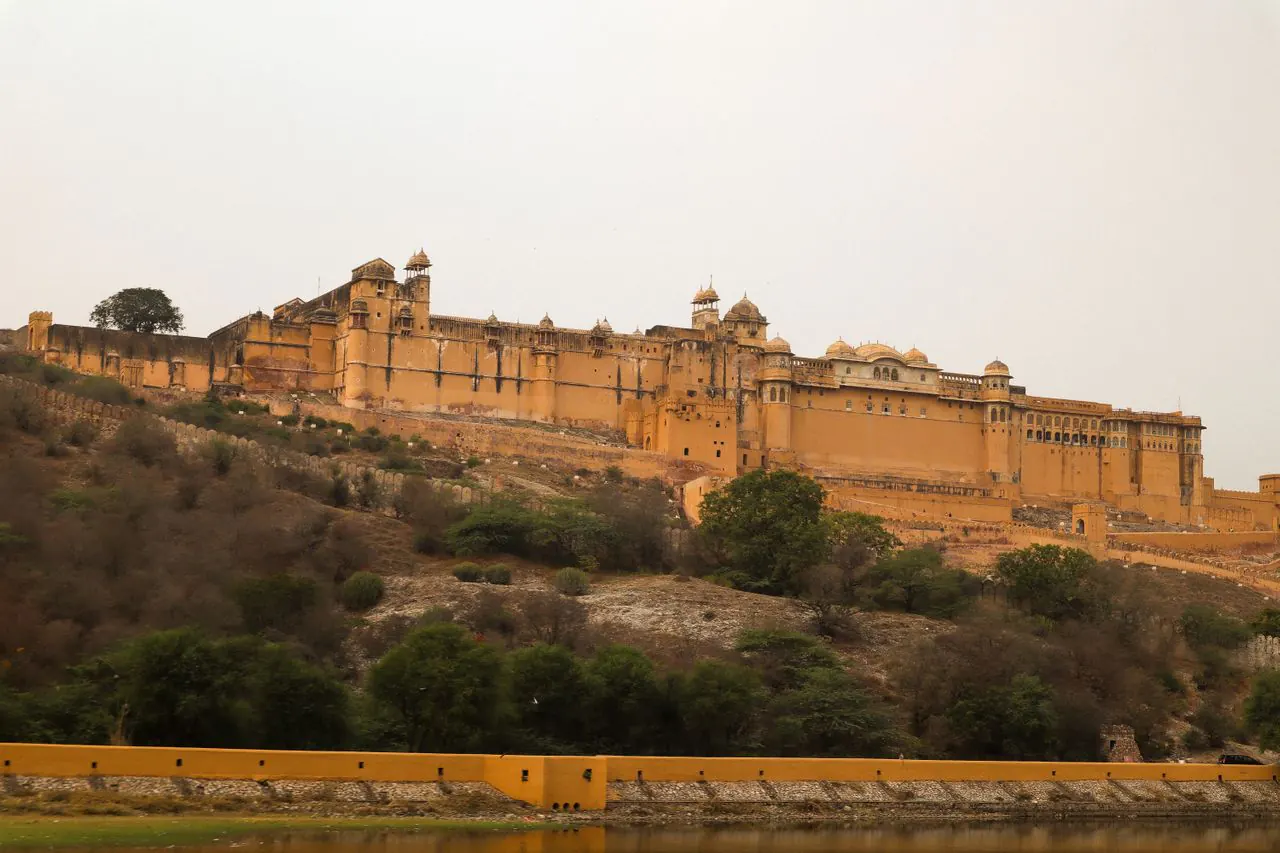
Amber, also written Amer, lies roughly 11 kilometres from central Jaipur. Its hilltop setting above Maota Lake, fortified approaches and layered palace spaces make it one of the city’s defining visits.
Inside the complex, visitors commonly encounter courtyards, gateways, audience halls, private palace areas and the mirror-work associated with Sheesh Mahal. A guide can help distinguish which ruler added which space and explain how ceremonial, administrative and residential functions fitted together.
Allow at least two hours for a meaningful visit, excluding travel, queues and any separately scheduled programme. Morning is usually practical because the approach and courtyards can become busy and exposed later in the day.
Our Jaipur Private Full-Day City Tour combines Amber with the major city landmarks in a private car with a local guide. Check the selected option for the current inclusions and ticket arrangements before payment.
Practical points for Amber:
- Wear shoes suitable for ramps, stone paving and stairs.
- Carry water and sun protection, especially outside winter.
- Confirm current opening times and entry prices on the day of your visit.
- Ask before photographing people, ceremonies or restricted interiors.
- Choose vehicle access or walking according to mobility and weather.
- Do not build a tight schedule around an animal ride; access and welfare arrangements can change.
Jaigarh and Nahargarh: the wider fort landscape
Jaigarh Fort
Jaigarh occupies a strategic ridge above Amber and helps explain the defensive landscape around the earlier capital. Its walls, elevated position and military associations offer a different experience from Amber’s courtly interiors.
Add Jaigarh when you have a full day and a particular interest in fortifications, weapons or panoramic views. Trying to combine Amber, Jaigarh, Nahargarh and the entire Pink City in one ordinary sightseeing day usually produces more driving and less understanding.
Nahargarh Fort
Nahargarh overlooks Jaipur from the Aravalli ridge. It is popular for city views and includes Madhavendra Bhawan, a palace complex associated with Sawai Madho Singh II. Rajasthan Tourism describes nine apartments arranged for the queens around the palace courtyard.
Sunset can be attractive, but it also brings traffic and crowds. Confirm the closing time, viewing access and return transport before travelling uphill. Do not assume every viewpoint remains open after dark.
Inside the Pink City
Hawa Mahal
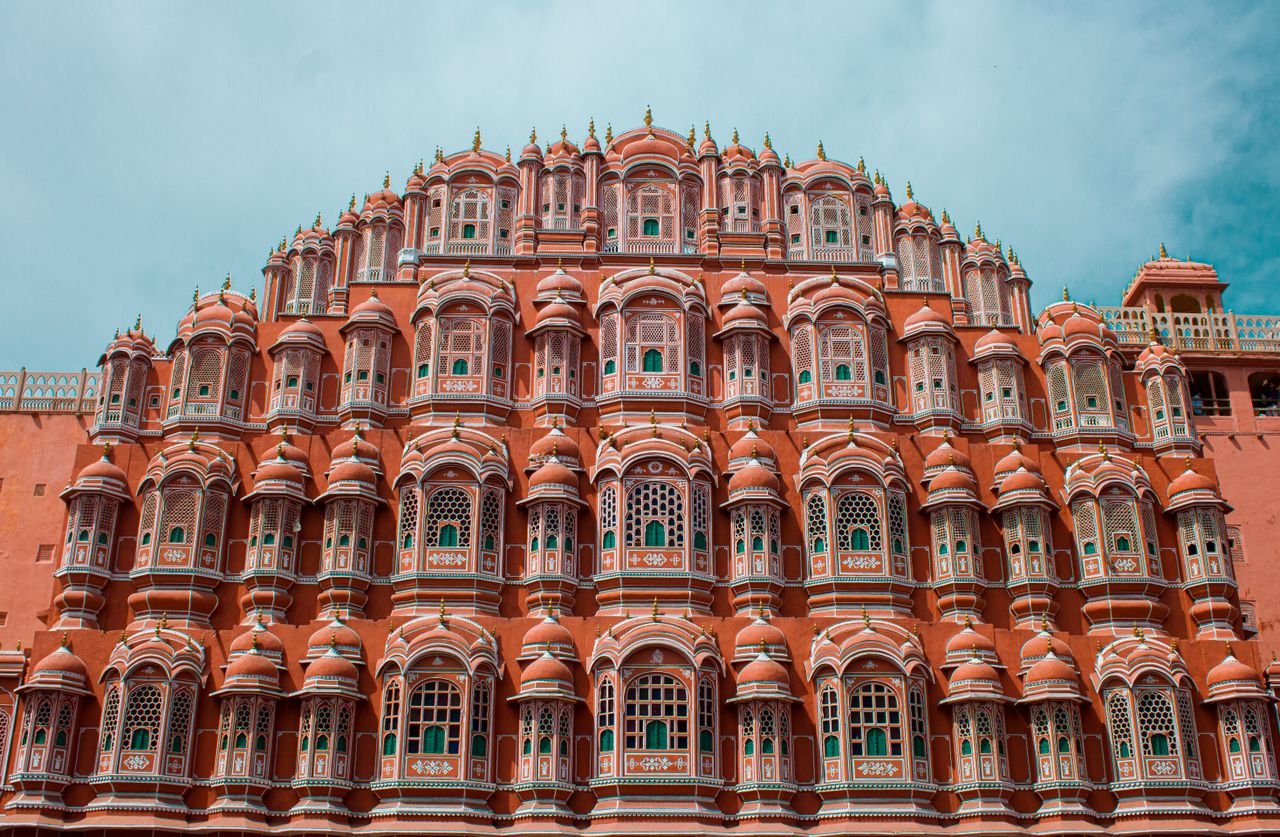
Hawa Mahal is Jaipur’s most recognisable façade. Sawai Pratap Singh commissioned it in 1799, and its tiers of small screened openings allowed members of the royal household to observe activity on the street while maintaining privacy. Its airflow and shaded openings also respond to Jaipur’s climate.
The classic exterior view is from the street opposite. Entering the monument gives a different perspective through ramps, courtyards and upper-level views. Keep road safety in mind while photographing the façade; the street remains busy.
City Palace
The City Palace occupies a central place in Jaipur’s royal and urban history. Its courtyards, gateways, museum collections and palace buildings reveal changing forms of court life. Some areas belong to standard museum access, while premium or specially controlled areas may require different tickets.
Read the ticket description rather than assuming every photographed room belongs to general admission. Visitors interested in textiles, arms, painting and courtly objects should allow more time than someone making a short architectural visit.

Jantar Mantar
Jantar Mantar becomes far more engaging when its instruments are explained. They were built for observation and calculation, not as abstract sculptures. A knowledgeable guide or interpretation resource can show how shadows, angles and carefully aligned surfaces relate to time and celestial positions.
Allow roughly an hour for a first visit. Strong sunlight makes the geometry easier to see, although midday heat can be demanding in warmer months.

Govind Dev Ji Temple
Govind Dev Ji Temple is an active Krishna temple connected with the former royal household and remains important to local worship. Visit with attention to darshan schedules, dress, footwear, crowd flow and photography restrictions.
A temple visit is not interchangeable with a museum stop. Make space for worshippers and avoid treating a busy religious ceremony as a staged performance.
The bazaars and chaupars
Johari Bazaar, Tripolia Bazaar, Bapu Bazaar, Kishanpole and surrounding streets are part of Jaipur’s historic commercial structure. UNESCO identifies the continuity of trade and craft activity as an important part of the city’s heritage.
Walking the old city reveals details missed from a car: shop-house façades, gateways, shrines, workshops, snacks and the relationship between market streets and public squares. Begin early or later in the afternoon if you prefer cooler conditions, but remember that business hours and weekly closures differ.
If you have limited time, our Jaipur Private Half-Day City Tour with Guide is designed for a focused visit to selected highlights. Confirm the chosen route because a half day cannot cover every fort, palace and market properly.
Jal Mahal and Man Sagar Lake
Jal Mahal sits within Man Sagar Lake on the route between central Jaipur and Amber. For most visitors it is a roadside or lakeside viewing stop rather than an interior palace visit.
The value of the stop lies in the relationship between the water, palace, hills and birds. A short photographic pause can fit naturally between Amber and the Pink City. Avoid advertising or expecting ordinary public entry unless an authorised current arrangement specifically provides it.
Museums, gardens and architectural stops
Albert Hall Museum
Albert Hall stands in Ram Niwas Garden and was designed in an Indo-Saracenic style associated with architect Samuel Swinton Jacob. Its collections include decorative arts, metalwork, sculpture, carpets, arms, textiles and paintings. It is a strong choice when you want an indoor cultural visit or a broader introduction to Rajasthan’s material traditions.
The illuminated exterior is also popular in the evening. Treat an exterior photo stop and a museum visit as different activities with different time requirements.
Anokhi Museum of Hand Printing
Near Amber, the Anokhi Museum focuses on block-printed textiles, tools, techniques and design. It provides useful context for the fabrics sold across Jaipur and can help visitors understand the labour behind hand printing.
Check its weekly closing day and current hours before building it into an Amber itinerary.
Jawahar Kala Kendra
Jawahar Kala Kendra is a cultural centre associated with architect Charles Correa. Exhibitions, performances and events change, so check its programme rather than treating it as a monument with a fixed sightseeing sequence.
Patrika Gate and Jawahar Circle
Patrika Gate is popular for its colourful painted interiors and symmetrical photographs. It stands by Jawahar Circle, closer to the airport side of Jaipur than the old city. Visit early if photography is important and remember that heavy editing or an empty-frame expectation can misrepresent a public place that is often busy.
Panna Meena ka Kund
This historic stepwell near Amber is known for its geometric stairs. Access rules can restrict where visitors may stand, so observe signs and instructions. It works well as an additional Amber-area stop when time and opening arrangements permit.
Galtaji
Galtaji is a pilgrimage complex in a valley east of Jaipur, with temples, pavilions and water tanks. It is sometimes marketed mainly through its resident monkeys, but its religious function comes first.
Keep food secured, avoid touching or feeding animals, and follow local guidance. Visitors should assess walking conditions, cleanliness and transport logistics before going.
Birla Mandir
Birla Mandir is a modern white-marble temple near Moti Dungri. It offers a different architectural period from Jaipur’s 18th- and 19th-century monuments. Dress respectfully and follow current temple rules.
Jaipur crafts and shopping
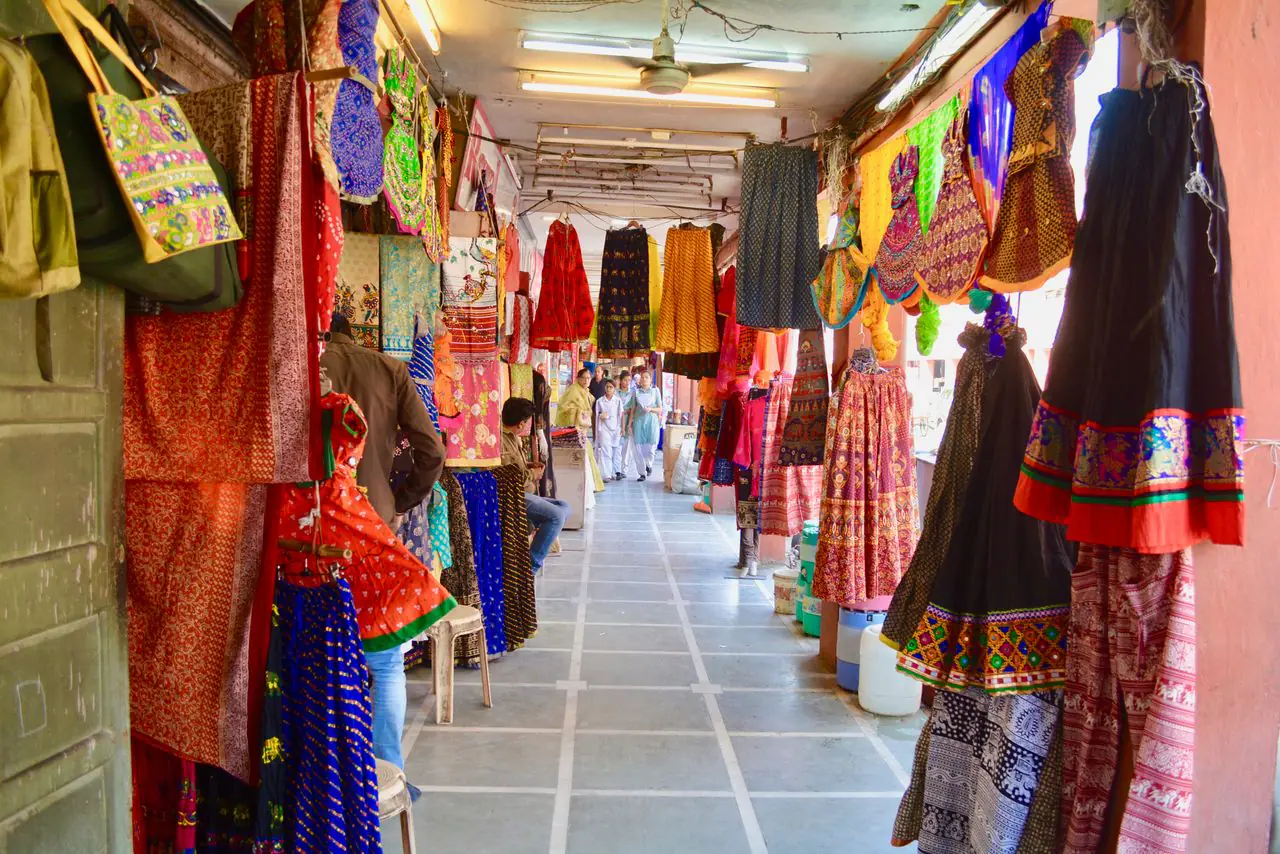
Shopping in Jaipur is most rewarding when you understand what you are buying. The city is associated with gemstones and jewellery, kundan and meenakari work, hand block printing, blue pottery, lac bangles, leatherwork, miniature painting, carpets and carved objects.
| Craft or product | What to ask | Useful areas |
|---|---|---|
| Gemstones and jewellery | Material, treatment, weight, hallmark or certification, return terms | Johari Bazaar and established specialist stores |
| Block-printed textiles | Hand or screen printed, fabric type, dye and washing care | Jaipur shops; Sanganer and Bagru traditions |
| Blue pottery | Handmade process, glaze, food-safety suitability and packing | Studios and craft retailers |
| Lac bangles | Size, material, fragility and care | Old-city bangle markets |
| Miniature painting | Artist, medium, surface and whether the work is hand painted | Galleries and workshops |
| Carpets and furnishings | Fibre, knotting or weaving method, origin and shipping terms | Reputable textile and carpet stores |
Do not let an unplanned commission-driven shopping stop replace sightseeing time. If you want to shop, say so clearly and set a budget. Compare several items, request an invoice for valuable purchases and check export or airline restrictions before buying large or fragile objects.

What food is Jaipur famous for?
Jaipur offers Rajasthani dishes, vegetarian snacks, sweets and a growing restaurant scene. Foods commonly associated with the city and region include pyaaz kachori, dal baati churma, ghewar, mirchi bada, ker sangri, gatte ki sabzi, laal maas and lassi. Availability, recipe and spice level vary by establishment.
A food walk helps connect dishes with particular markets and vendors. Our Jaipur Street Food Walking Tour with a Local Guide is designed for travellers who want guided tastings in the city’s market areas. Review the current inclusions and tell us about allergies, dietary restrictions and tolerance for spice before booking.
Practical food advice:
- Choose busy vendors with active food turnover.
- Drink sealed or reliably filtered water.
- State allergies explicitly; “vegetarian” does not address nuts, dairy, gluten or cross-contact.
- Ask before photographing vendors or customers.
- Pace rich foods across the day, especially in hot weather.

Culture, festivals and living traditions
Jaipur’s culture is visible in religious practice, craft work, clothing, music, food and public processions. It should not be reduced to staged evening entertainment.
Gangaur
Gangaur is celebrated in the spring month of Chaitra and honours Shiva and Parvati. Rajasthan Tourism describes a Jaipur procession that traditionally begins near the City Palace and moves through parts of the old city with palanquins, chariots and performers. Dates follow the Hindu calendar and change each year.
Teej
Teej is associated with the monsoon, women’s observances and processions. In Jaipur, festival activity can affect roads and crowd levels in the Pink City. Confirm dates and routes instead of relying on last year’s schedule.
Kite Festival and Makar Sankranti
Around 14 January, Jaipur’s sky fills with kites for Makar Sankranti. Rooftop access should be arranged responsibly: parapets, wires, glass-coated string and crowded stairs can create serious risks.
Diwali, Holi and other busy periods
Major festivals can bring spectacular decoration and community activity, together with traffic diversions, sold-out hotels, noise and altered opening hours. Book accommodation and transport early, and ask before joining private or religious celebrations.
Jhalana Leopard Safari: wildlife within Jaipur
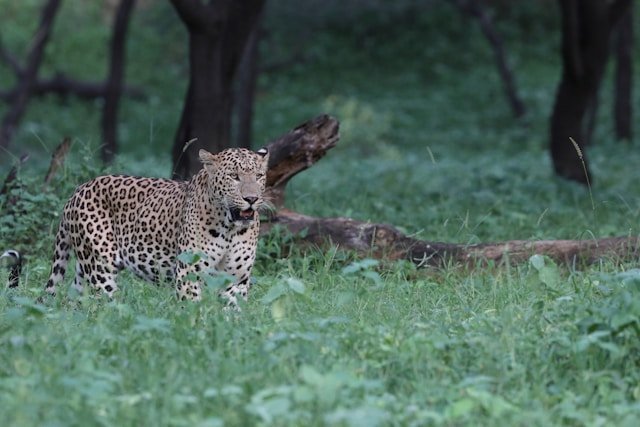
Jhalana lies on Jaipur’s southeastern side and protects a dry forest landscape within the urban region. Rajasthan Tourism describes northern tropical dry deciduous vegetation and records wildlife including leopard, striped hyena, desert fox, golden jackal, chital, nilgai, civets, jungle cat and many bird species.
A safari is a chance to enter this habitat with an authorised vehicle and guide; it is not a guaranteed leopard sighting. Animal movement, weather, vegetation, route allocation and luck all affect what you may see.
Our Jhalana Leopard Safari in an Open Gypsy with Guide can be added to a Jaipur stay. Confirm the chosen date, reporting point, identity requirements, transfer option and safari time before payment.
For a better wildlife experience:
- Wear muted, comfortable clothing suitable for dust and the season.
- Keep voices low and follow the guide’s directions.
- Never ask a driver to crowd, chase or block an animal.
- Bring binoculars if you enjoy birds and smaller wildlife.
- Secure cameras and protect equipment from dust.
- Accept that a good safari can include habitat, tracks and birdlife even without a leopard.
What is the best time to visit Jaipur?
October to March is generally the most comfortable period for extensive sightseeing. Winter mornings and evenings can feel cool, while afternoons are often pleasant. This is also a popular period, so expect stronger hotel demand and crowds at major attractions.
| Period | Typical planning conditions | What to prepare for |
|---|---|---|
| October–November | Usually dry, with temperatures easing after the monsoon | Busy sightseeing periods and warm afternoons |
| December–February | Cooler mornings and evenings; comfortable daytime touring | Layers, winter haze or occasional fog, peak demand |
| March | Warming weather with major festivals in some years | Stronger sun and changing festival dates |
| April–June | Very hot pre-monsoon conditions | Early starts, hydration, shade and reduced outdoor time |
| July–September | Monsoon period with greater humidity and rainfall | Showers, slippery surfaces, traffic delays and greener hills |
The India Meteorological Department’s Jaipur climate study describes mid-December to mid-February as winter, the pre-monsoon months as the hottest period, and the monsoon as generally beginning in late June. It also records frequent summer dust storms and the highest average number of wet days in July and August. These are long-term patterns, not a forecast for your travel date. Source: IMD Climate of Jaipur.
How crowded is Jaipur? Tourist footfall and busy periods
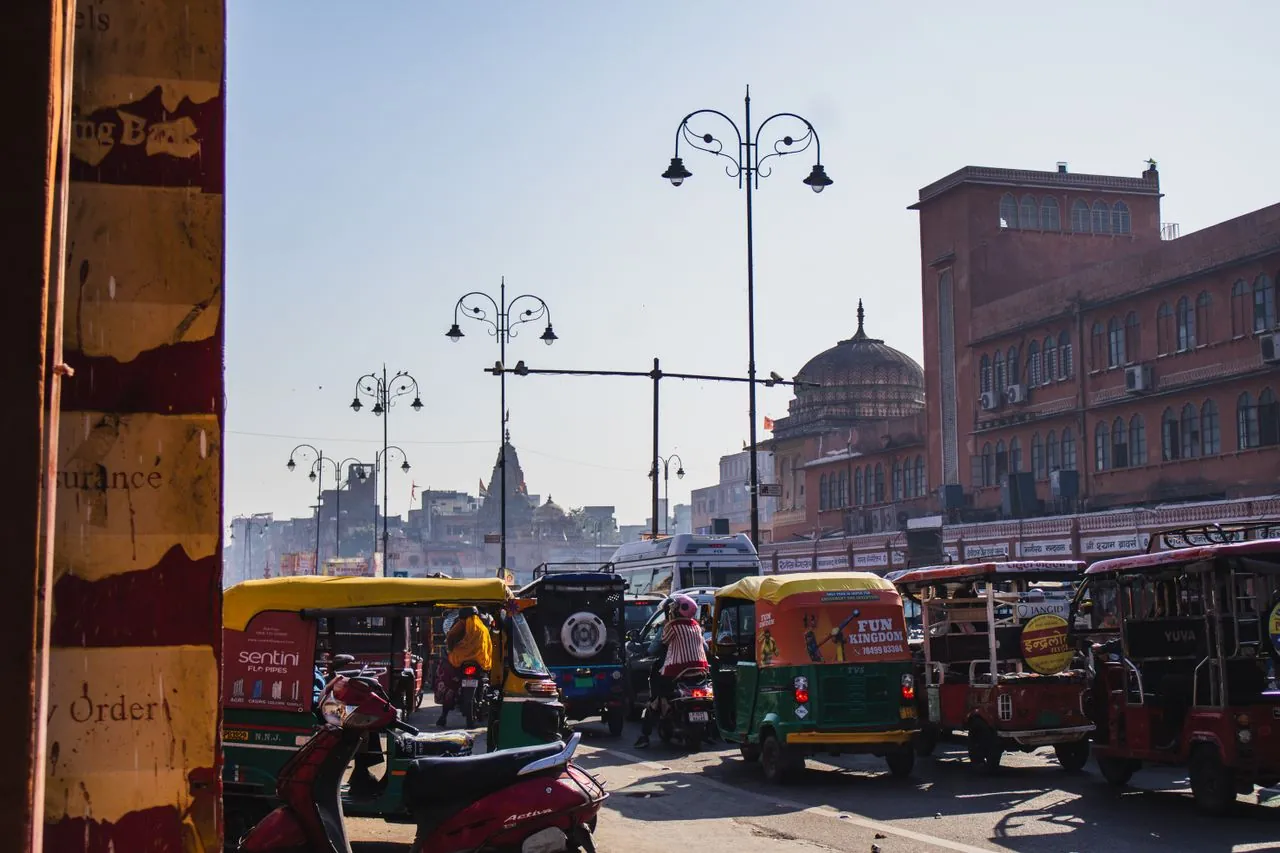
Jaipur is a high-demand destination, particularly from October through March, around major festivals and during holiday weekends. Amber, Hawa Mahal, City Palace and Jantar Mantar are usually busiest from late morning into the afternoon.
Government statistics show the scale of demand. Rajasthan’s Economic Review reported 623,534 international tourist visits to Jaipur district in 2024, the highest district total in the state for that category. The newer 2025 review recorded approximately 1.824 million domestic visits to Hawa Mahal and 1.815 million to Amber Fort during 2025. These are visits, not counts of unique people, and district figures cover more than the central city. Source: Rajasthan Economic Review 2024–25; Source: Rajasthan Economic Review 2025–26.
Use the numbers as evidence that advance planning matters, not as a promise that every day will be crowded. A practical strategy is to reach Amber near opening time, walk the Pink City outside the hottest hours and reserve timed activities before arrival.
How many days do you need in Jaipur?
One day in Jaipur
With one day, choose a coherent route: Amber in the morning, a Jal Mahal photo stop, then City Palace, Jantar Mantar, Hawa Mahal and a short market walk. This is a full day and requires realistic traffic and meal time.
The private full-day Jaipur tour is the closest match for first-time visitors who want the principal monuments with transport and a local guide.
Two days in Jaipur
Use the first day for Amber and the major Pink City monuments. On the second, choose from Albert Hall, a heritage walk, shopping, a food tour, Galtaji, Nahargarh or Jhalana. Two days let you spend more time inside fewer places.
Three days in Jaipur
A third day suits travellers who want both heritage and wildlife, specialist museums, hands-on crafts, family breaks or a slower pace. It also gives you flexibility if heat, traffic or a closure affects the first two days.
Four days or more
With four or more days, consider Sanganer or Bagru craft traditions, Samode, Abhaneri and Chand Baori, Sambhar Lake or a longer Rajasthan route. Check travel time and access; attractions outside Jaipur should not be described as central-city stops.
Which Jaipur tour should you choose?
| Your priority | Best match | Typical duration shown |
|---|---|---|
| Major monuments in one day | Private Full-Day City Tour | 8–9 hours |
| Selected highlights with limited time | Private Half-Day City Tour | 4–5 hours |
| Local snacks and market context | Street Food Walking Tour | 2.5–3 hours |
| Urban wildlife and birding | Jhalana Leopard Safari | Check the selected departure |
Durations, routes, prices and inclusions can change. The individual product page and selected service option control your booking.
How to reach Jaipur
By air
Jaipur International Airport is at Sanganer, southeast of the historic centre. The Airports Authority of India identifies the aerodrome as approximately 12 kilometres southeast of Jaipur Railway Station. Travel time depends heavily on your hotel, time of day and traffic. Source: Airports Authority of India.
Pre-arrange a pickup when arriving late, travelling with substantial luggage or staying in a heritage property with restricted vehicle access.
By train
Jaipur Junction is the principal rail gateway. Other stations may appear in searches, so check the exact arrival station before arranging a transfer. Trains connect Jaipur with Delhi, Agra and many other Indian cities, but schedules and journey times vary by service and date.
By road
Jaipur has road connections with Delhi, Agra, Ajmer, Pushkar, Ranthambore, Jodhpur and Udaipur. Approximate road distances are useful for planning, but route, pickup point, stops and traffic determine the real journey.
| Route | Approximate distance | Planning guidance |
|---|---|---|
| Delhi to Jaipur | About 270–300 km | Allow most of a half day; urban traffic affects the total |
| Agra to Jaipur | About 240 km | Often combined with Abhaneri or Fatehpur Sikri depending on route |
| Ajmer or Pushkar to Jaipur | About 135–150 km | Possible as a transfer or day excursion with sensible timings |
| Ranthambore to Jaipur | About 160–190 km | Do not plan a tight flight connection after a safari |
| Udaipur to Jaipur | About 390–420 km | Treat as a substantial transfer day |
| Jodhpur to Jaipur | About 330–360 km | Allow for stops and city traffic |
Check a current map and your driver’s route for the exact date rather than relying on a fixed travel-time promise.
Getting around Jaipur
Jaipur spreads well beyond the walled city. Amber, the airport, Jhalana and many hotels sit in different directions, so no single transport method is ideal for every day.
- Private car with driver: efficient for Amber and multiple separated attractions.
- Auto-rickshaw or taxi: useful for individual journeys; agree on the fare or use a metered/app arrangement where available.
- Metro: useful on parts of its route, including access near sections of the historic centre, but it does not replace road transport for every attraction.
- Walking: best for focused market and heritage areas; use crossings carefully.
- Cycle or walking tours: can work well early, provided the route and traffic conditions suit you.
Group nearby places together. Amber, Jaigarh and Panna Meena ka Kund belong to one geographical cluster; City Palace, Jantar Mantar, Hawa Mahal and the bazaars form another.
Where should you stay in Jaipur?
| Area | Best for | Trade-off |
|---|---|---|
| Pink City or near its gates | Markets, heritage atmosphere and central monuments | Traffic, noise and limited vehicle access in some lanes |
| C-Scheme | Restaurants, central location and modern hotels | Less old-city atmosphere |
| Bani Park | Guesthouses, heritage-style stays and station access | Road travel needed for many monuments |
| MI Road area | Shopping and a convenient central base | Busy commercial surroundings |
| Amer or Kukas side | Resorts, weddings and proximity to Amber | Farther from evening activity in central Jaipur |
| Airport or Tonk Road side | Flights, business travel and modern hotels | Longer drives to Amber and parts of the old city |
Jaipur offers hostels, guesthouses, business hotels, restored havelis, heritage hotels, palace-style luxury stays and out-of-centre resorts. “Heritage” can describe architecture, age or branding; check the property’s actual history, accessibility, room facilities and location.
Jaipur for families, seniors and travellers with accessibility needs
Jaipur can work well for a mixed-age group when the itinerary is paced realistically. Fort ramps, stairs, uneven paving, heat and vehicle drop-off restrictions can make some visits demanding.
- Start early and schedule seated breaks.
- Ask each monument about current wheelchair access; historic design limits some routes.
- Use a private vehicle when frequent transfers would be tiring.
- Carry regular medication, water and sun protection.
- Choose fewer major sites and allow more time at each.
- For young children, balance museums and monuments with gardens or shorter activities.
Tell Safari Rajasthan about mobility requirements before booking so the proposed route can be checked rather than assumed.
Responsible and respectful travel in Jaipur
- Dress and behave respectfully in temples and active religious spaces.
- Ask permission before photographing people, artisans or private homes.
- Do not touch murals, mirror work, carvings or astronomical surfaces.
- Carry a refillable bottle where safe refilling is available.
- Avoid single-use litter and use designated bins.
- Buy crafts after asking how and where they were made.
- Never feed monkeys or other wildlife.
- Choose wildlife viewing that does not chase, crowd or bait animals.
- Respect residents in the walled city; it is a living neighbourhood.
Common Jaipur planning mistakes
- Trying to visit three forts and the whole Pink City in one day. Jaipur traffic and walking time make this exhausting.
- Assuming every palace interior is included in one ticket. Standard, composite and premium access can differ.
- Treating Jal Mahal as a guaranteed interior visit. It is normally planned as an exterior viewing stop.
- Scheduling outdoor monuments in the hottest hours. Early starts matter from spring through the monsoon period.
- Accepting every shopping stop without discussion. Decide whether shopping is part of your tour.
- Expecting a leopard sighting at Jhalana. Wildlife is free-ranging and never guaranteed.
- Using old screenshots for opening hours and ticket prices. Check current official information close to the visit.
- Ignoring transfer time. Jaipur Airport, Amber, Jhalana and the Pink City are not beside one another.
Frequently asked questions about Jaipur
What is Jaipur best known for?
Jaipur is best known for the planned Pink City, Amber Fort, Hawa Mahal, City Palace, Jantar Mantar, colourful bazaars, jewellery, textiles, food and its role in the Delhi–Agra–Jaipur Golden Triangle.
Is Jaipur worth visiting?
Yes. Jaipur combines major architecture, living markets, museums, food and accessible wildlife. Two full days suit most first-time visitors; three days allow a less rushed experience.
Why is Jaipur called the Pink City?
The historic centre was painted a terracotta-pink colour for the Prince of Wales’s 1876 visit. The colour became closely associated with hospitality and Jaipur’s identity.
Which places should a first-time visitor see?
Prioritise Amber Fort, City Palace, Jantar Mantar, Hawa Mahal and a walk through the old-city bazaars. Add Jal Mahal as a viewing stop and choose museums, Nahargarh, food or Jhalana according to your interests.
Can you see Jaipur in one day?
You can see the principal highlights in one well-planned full day, but you cannot explore Jaipur in depth. Start at Amber, then visit the central Pink City monuments and finish with a short market walk.
Is Jaipur safe for tourists?
Jaipur is a major tourist city, but ordinary precautions still apply. Protect valuables in crowds, use established transport, cross roads carefully, avoid isolated areas late at night and contact local authorities or your accommodation when you need help.
What should I wear in Jaipur?
Wear light, breathable clothing in warm weather, layers in winter and comfortable walking shoes. Cover shoulders and knees for many religious sites and carry a scarf when useful.
Are monument tickets included in Jaipur tours?
Inclusions depend on the exact product and option. Do not assume tickets are included because a monument appears in an itinerary. Read the current “Included” and “Not included” sections before payment.
Does a Jhalana safari guarantee a leopard sighting?
No. Jhalana’s leopards and other animals are free-ranging. A safari provides access to the habitat with a vehicle and guide, while the sighting outcome depends on natural conditions.
Is a full-day or half-day Jaipur tour better?
Choose a full day for Amber plus the major Pink City monuments. Choose a half day for selected highlights, a repeat visit or a schedule limited by arrival, departure or heat.
What can I buy in Jaipur?
Jaipur is known for gemstones, jewellery, block-printed textiles, blue pottery, lac bangles, miniature paintings, carpets and leather goods. Ask about materials, origin, care and certification before buying expensive pieces.
What food should I try in Jaipur?
Popular choices include pyaaz kachori, dal baati churma, ghewar, lassi, gatte ki sabzi, ker sangri and regional meat dishes such as laal maas. Choose according to your dietary needs and preferred spice level.
Can I combine Jaipur with Ranthambore?
Yes. Jaipur and Ranthambore are commonly combined by road or rail. Allow a separate transfer window and avoid depending on a wildlife sighting or a safari ending at an exact minute before a flight.
Does Jaipur have an airport?
Yes. Jaipur International Airport serves the city from Sanganer. Confirm your terminal, baggage rules and transfer time for the specific flight.
Plan your Jaipur visit
A strong first Jaipur itinerary combines one fort landscape, the main Pink City monuments, time in the bazaars and one experience that matches your interests. That extra experience might be a guided food walk, a specialist museum, craft shopping, a temple visit or a Jhalana safari.
Use the Jaipur destination page to compare Safari Rajasthan’s current tours, durations and booking options. For first-time sightseeing, the private full-day Jaipur tour provides the broadest introduction, while the half-day tour suits a shorter schedule.
Information reviewed on 22 September 2026. Opening hours, entry charges, festival dates, safari rules, transport schedules and tour inclusions can change. Confirm the current details for your travel date before making non-refundable arrangements.