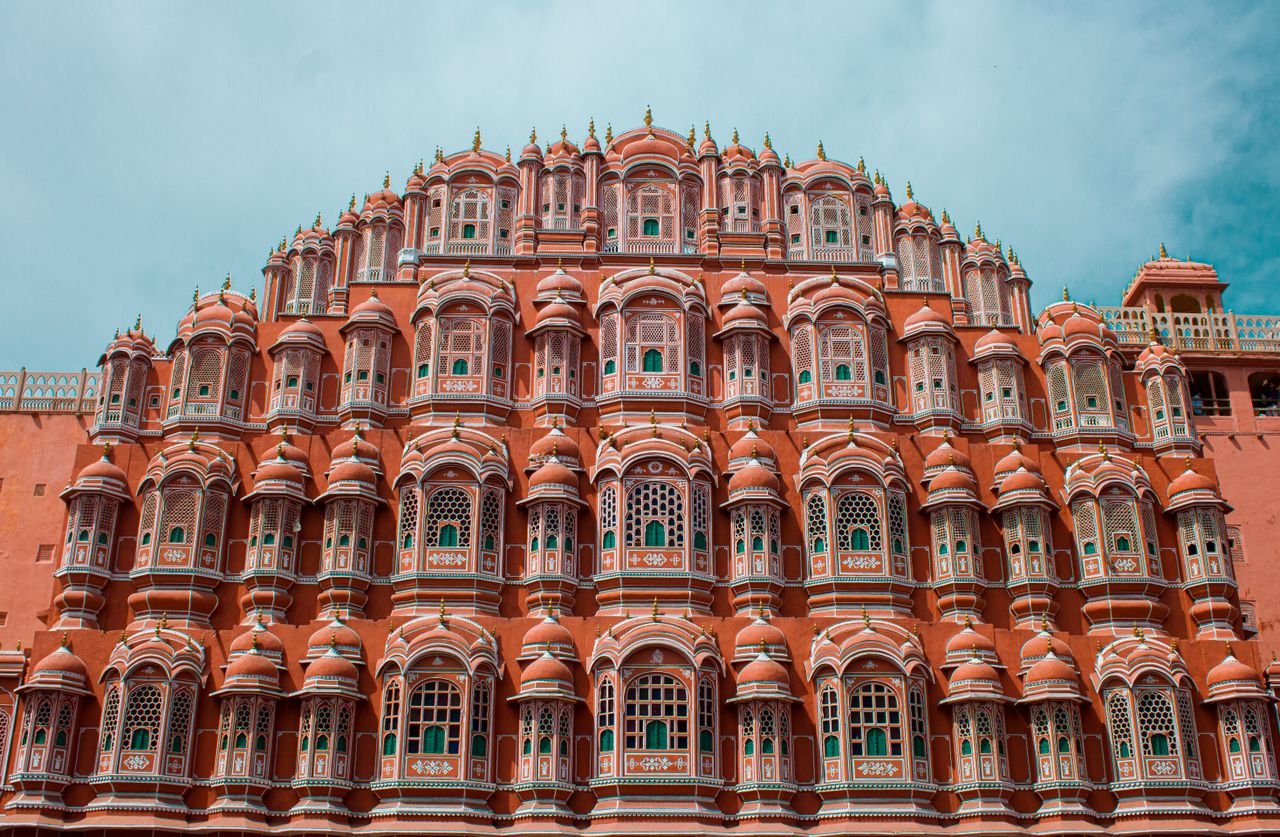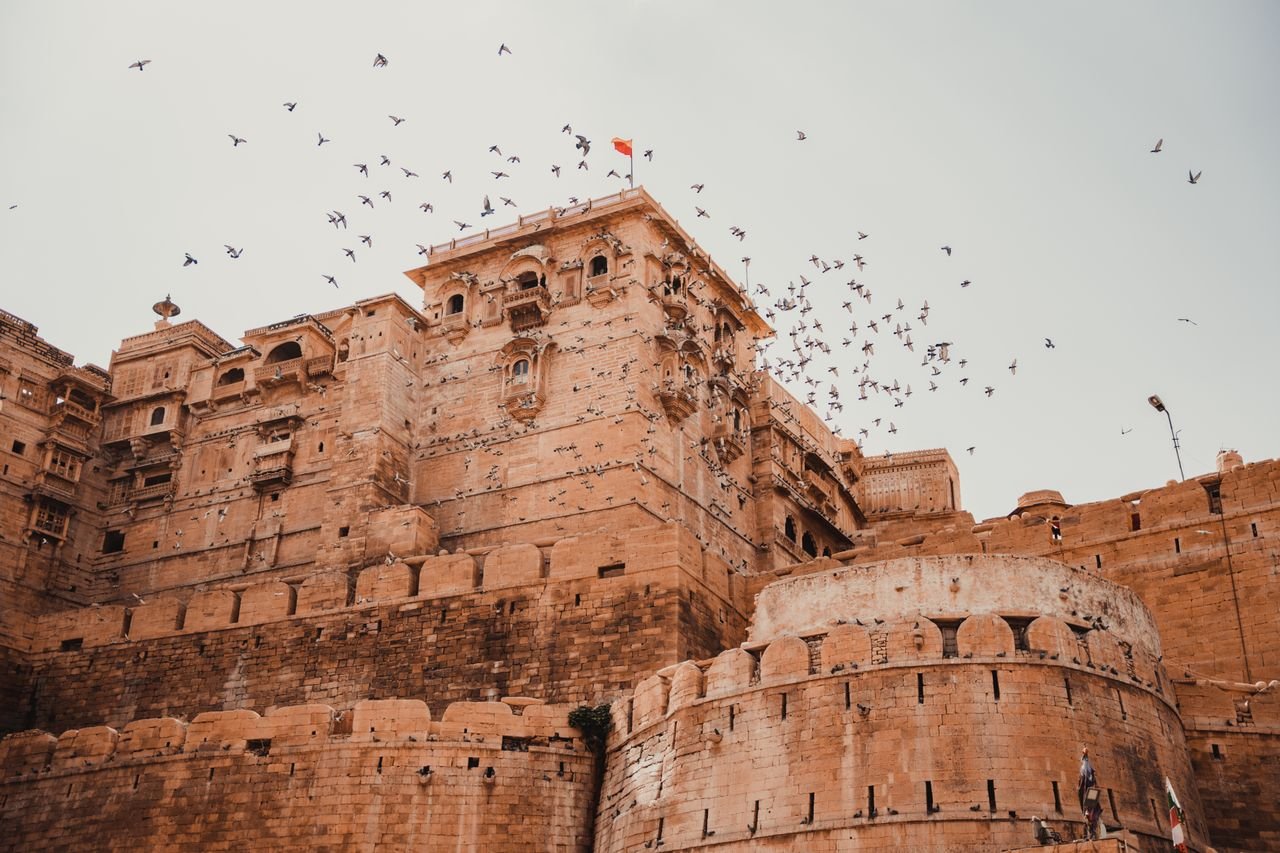
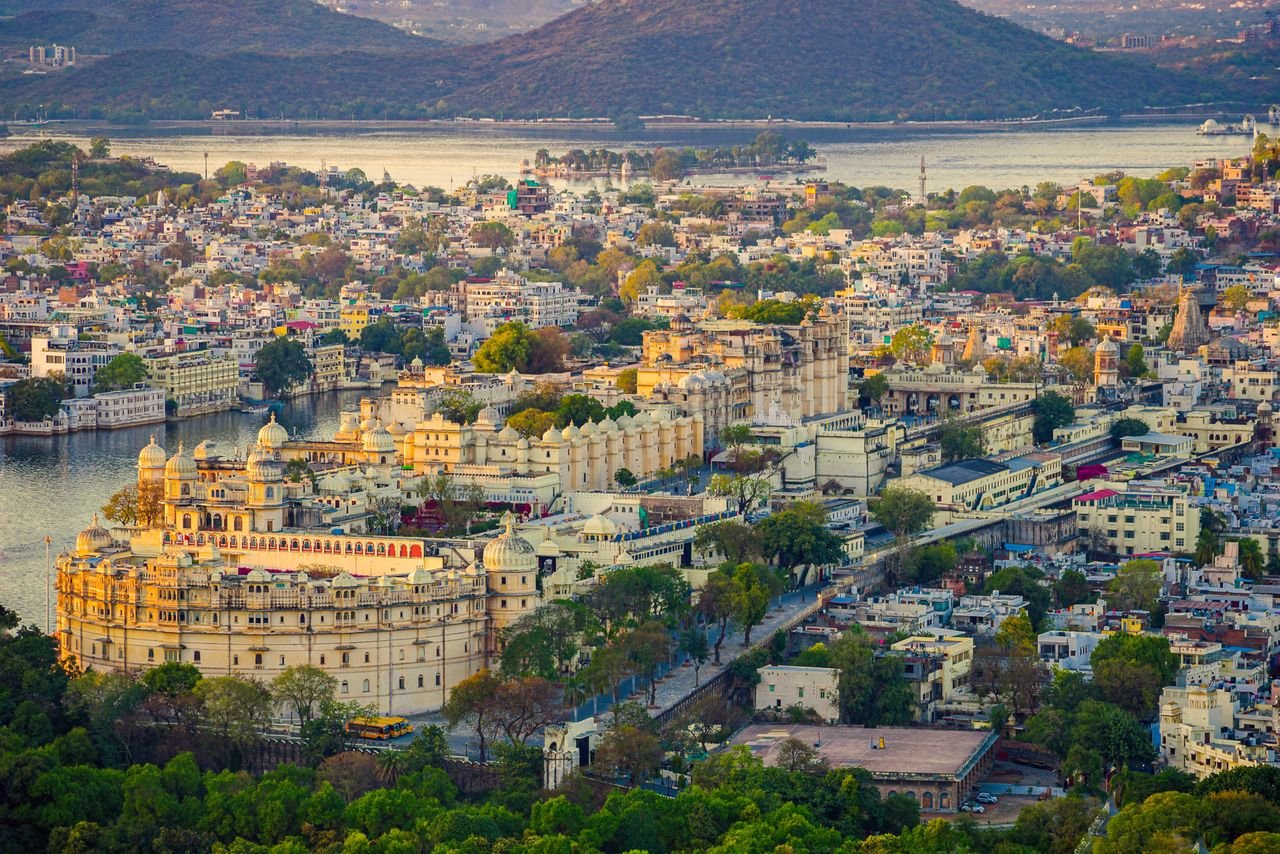
Udaipur is a lakeside city in southern Rajasthan, known for the City Palace, Lake Pichola, the heritage of Mewar and a historic centre of temples, havelis and waterfront neighbourhoods. The Aravalli Hills frame the city, while its museums, craft traditions, food and nearby countryside give visitors reasons to stay beyond a single sightseeing day.
For a first visit, we recommend two full days in Udaipur, with a third day for a countryside excursion or a slower pace. A shorter stay can cover the palace and Old City; a longer one leaves room for gardens, cultural performances, quieter lakes and time at your hotel.
Planning your trip? Explore our Udaipur tours and experiences to compare sightseeing routes, durations and booking options with Safari Rajasthan.
Udaipur at a glance
| Question | Quick answer |
|---|---|
| Where is Udaipur? | In southern Rajasthan, India, within the historic Mewar region. |
| Why is Udaipur famous? | Its lakes, palaces, Mewar history, traditional arts and scenic waterfront. |
| Who founded Udaipur? | Maharana Udai Singh II developed the city in the sixteenth century. |
| How many days should you spend? | We suggest two full days for the city, or three to four with an excursion or resort time. |
| What is the easiest season for sightseeing? | November to February generally offers comfortable daytime conditions; October and March are warmer alternatives. |
| Which airport serves Udaipur? | Maharana Pratap Airport at Dabok, airport code UDR. |
| Which railway station should you search? | Udaipur City, station code UDZ; check the exact station on your ticket. |
| Which lake should a first-time visitor prioritise? | Lake Pichola for palace views; Fateh Sagar adds a different lakeside setting. |
| Is every lake palace open to sightseeing visitors? | No. Museum access, island visits, hotel access and boat routes are separate arrangements. |
Why is Udaipur famous?
Udaipur brings royal architecture and a working lake landscape together in an unusually compact historic centre. You can explore a palace museum, walk to a living temple and reach the waterfront within the same outing. Its appeal comes from that combination, rather than any single monument.
Five themes help make sense of a visit:
- Palaces and Mewar history: successive generations shaped the City Palace and the region’s cultural identity.
- Lakes and hill views: the waterfront changes character between the densely built Old City, Fateh Sagar and the outskirts.
- Living culture: religious observances, craft work and regional performances continue alongside tourism.
- A choice of travel styles: a sightseeing break, family holiday, romantic stay or heritage journey can all work here.
- A base for exploring Mewar: substantial excursions reach forts, temples and countryside beyond the city.
The most rewarding plan includes both a headline attraction and time to notice its surroundings: a museum collection followed by a neighbourhood walk, or a boat ride followed by a quiet waterfront meal.
Udaipur history: Mewar, its rulers and the making of the city
Was Udaipur part of an empire?
Udaipur became the capital of the kingdom of Mewar, which later existed as a princely state under British paramountcy. “Mewar” also describes a wider historical and cultural region; it is not simply another name for present-day Udaipur city. “Mewar kingdom” is more precise here than “Udaipur empire.” Historical context: Eternal Mewar.
Udaipur succeeded Chittorgarh as the capital of Mewar’s Sisodia Rajput rulers. Source: Government of India district profile. Maharana Pratap later fought Mughal forces led by Man Singh at Haldighati in 1576. Source: Rajasthan Tourism.
Who founded Udaipur, and why do dates differ?
Maharana Udai Singh II developed Udaipur in the 1550s. Eternal Mewar’s historical research records a 1553 foundation tradition and a 1559 account of palace construction. These accounts distinguish the city’s establishment from palace construction, rather than establishing one uncontested date for every stage of its development. Source: Eternal Mewar research.
A short Mewar timeline
| Period or ruler | Historical significance |
|---|---|
| Maharana Kumbha, 1433–1468 | An important earlier Mewar ruler, preceding Udaipur’s foundation. |
| Maharana Udai Singh II, sixteenth century | Established Udaipur and began its royal palace. |
| Maharana Pratap, 1572–1597 | Remembered for resistance to Mughal expansion. |
| 1615 | A settlement with the Mughals followed under Amar Singh I. |
| 1818 | Mewar entered a treaty relationship with the East India Company. |
| 18 April 1948 | Maharana Bhupal Singh’s state joined the Union of Rajasthan. |
Chronology reference: Eternal Mewar’s historical research.
The City Palace makes these generations visible. Its construction began with Udai Singh II’s Rai Aangan in 1559, and successors expanded the complex over roughly four centuries. Courts, terraces and connected buildings sit behind the long waterfront façade. Look for changing uses of stone, glass, mirrors and painted surfaces as you move through it. Source: Eternal Mewar’s City Palace history.
To connect the chronology with what you see, ask a guide to distinguish original structures from later additions and historical evidence from local legend. A palace visit becomes much more interesting when rooms and objects have a place in the story.
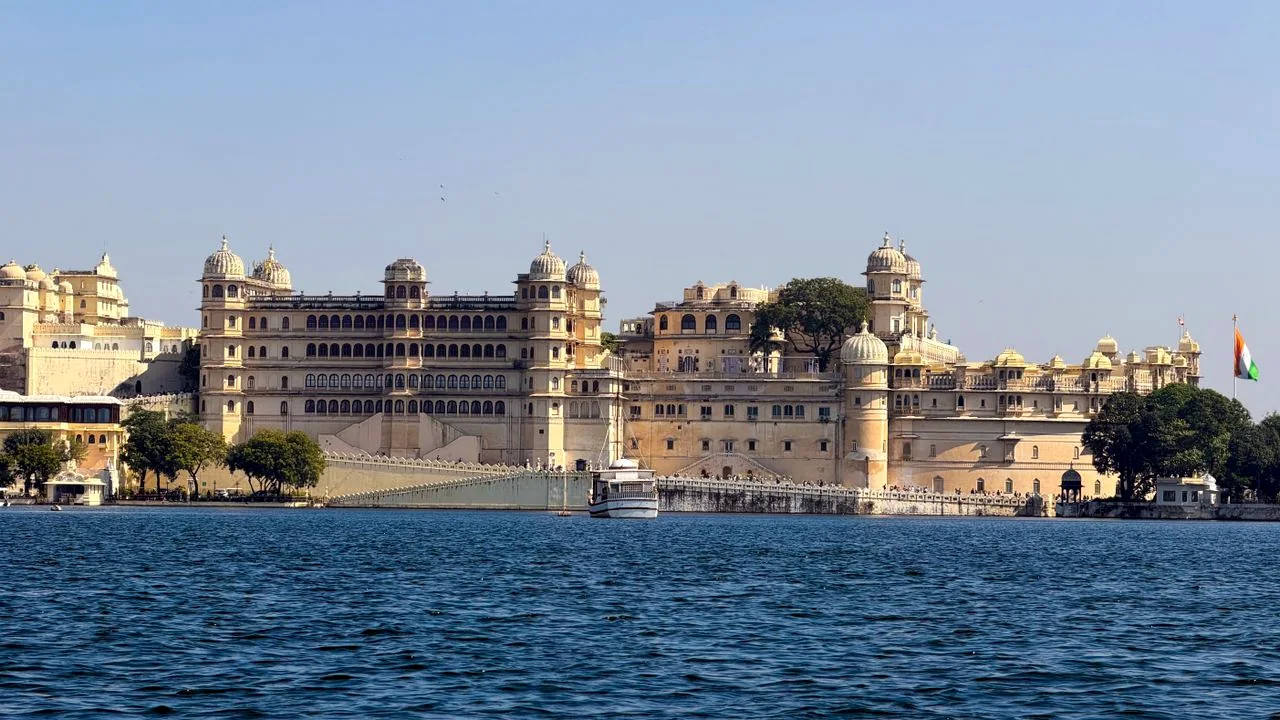
The lakes of Udaipur: which ones should you visit?
Start with Lake Pichola and Fateh Sagar. Add Badi for a quieter landscape outing, or another lake according to your route. There is no need to visit every water body to understand the City of Lakes.
The lakes are also water infrastructure. The local urban authority describes connections between Pichola, Swaroop Sagar and Fateh Sagar. Their role in the city extends beyond scenic reflections and boat rides. Source: Udaipur Urban Improvement Trust.
| Lake or water body | What makes it worth considering? |
|---|---|
| Lake Pichola | The classic palace waterfront, with the City Palace on its eastern side and Jag Niwas and Jag Mandir on islands. Prioritise it for your first visit. |
| Fateh Sagar | A broader lakeside setting near Moti Magri, with islands and views towards the hills. It complements an Old City day. |
| Badi Lake | An outlying lake framed by hills. Allow a separate outing and confirm current access before attempting a hill walk. |
| Swaroop Sagar and Rang Sagar | Smaller parts of the urban water landscape, useful to notice while exploring the city rather than treating each as a major excursion. |
| Doodh Talai | A smaller water body beside the Pichola area, with gardens and nearby hill viewpoints. |
| Udai Sagar | An eastern lake associated with Udai Singh’s water-management works on the Berach River. |
Lake references: Pichola, Fateh Sagar, Badi, urban lakes, Doodh Talai and Udai Sagar.
Fateh Sagar originated under Maharana Jai Singh in 1678 and was later reconstructed under Fateh Singh after flood damage. One of its islands houses the Udaipur Solar Observatory. The Physical Research Laboratory explains that the surrounding water helps stabilise air for solar observations. It is a working research facility; seeing the island does not mean visitor entry is included. Lake history; PRL observatory account.
Jaisamand, also known as Dhebar Lake, belongs in a separate countryside plan rather than an Old City lake circuit. Rajsamand likewise requires travel outside central Udaipur. Avoid planning these simply because their names appear beside city lakes in attraction lists. Regional lake overview: Incredible India.
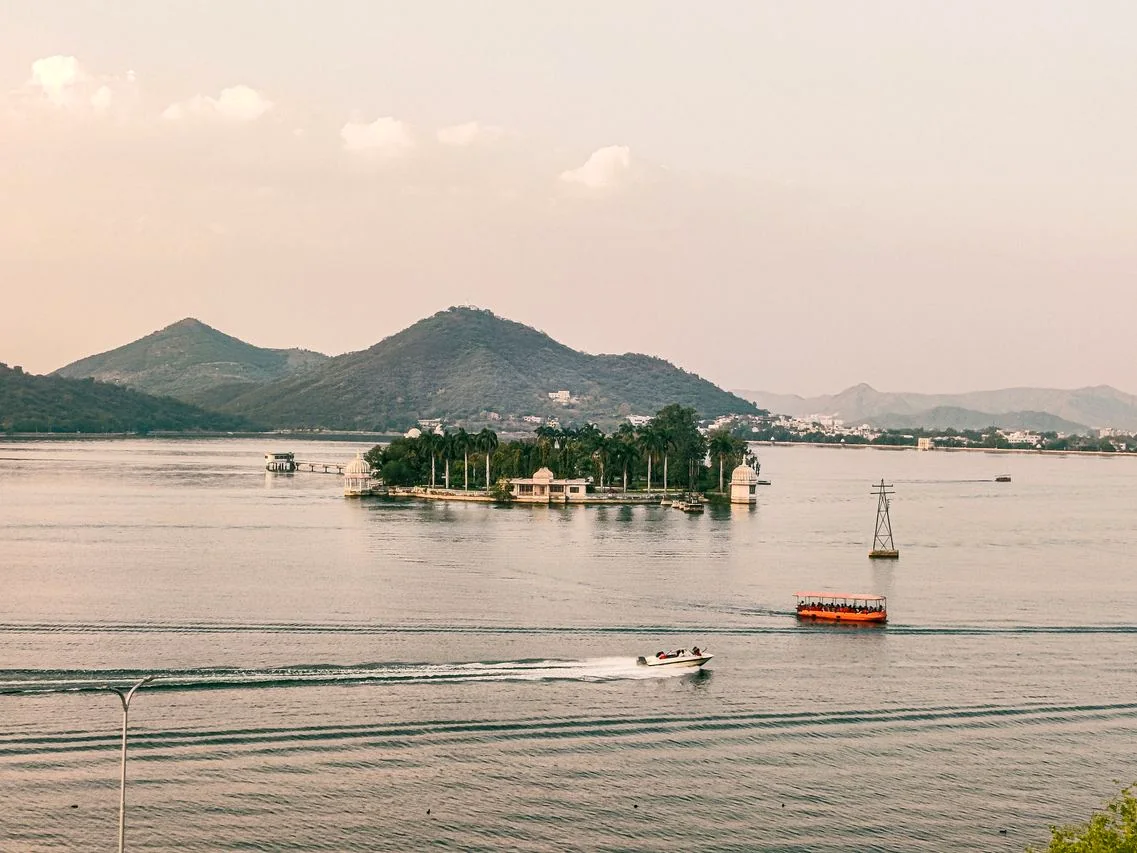
What does Udaipur’s Wetland City Accreditation mean?
In January 2025, Udaipur received Wetland City Accreditation under the Ramsar Convention. This recognises the relationship between cities and their wetlands. It is distinct from designating an individual Ramsar Site and does not mean that Udaipur is a UNESCO World Heritage city. Source: Convention on Wetlands.
As a visitor, support that landscape by keeping litter out of the water, using designated access points and avoiding disturbance to birds. Water levels and boating conditions change with rainfall and local operations.
Palaces, temples and museums: what to see in Udaipur
City Palace Museum
The museum is the strongest starting point for a first visit. Its collections include paintings, sculpture, textiles, photographs, maps, arms and transport. Looking at these together reveals more than ceremonial splendour: photographs and everyday objects help explain how life and public identity changed over time. Source: City Palace Museum collections.
We suggest allowing about two to three hours if you enjoy museums, with more time for close study and less for a selective visit. This is a planning allowance, not a fixed tour duration. Choose the collections that interest you rather than trying to photograph every room.
The museum, other attractions within the palace complex, hotel areas and island experiences have separate access arrangements. Check what your admission actually covers. For focused practical advice, read our City Palace Udaipur visitor guide.
Lake Palace and Jag Mandir: two different island palaces
Lake Palace, also called Jag Niwas, is the island property operated as Taj Lake Palace. A sightseeing boat view does not entitle visitors to enter the hotel. Check any guest, dining or transfer arrangements separately. Property reference: Taj Lake Palace.
Jag Mandir is a different island palace. Whether a boat trip stops there depends on the operator and ticket. Before paying, ask whether you are buying a lake circuit, a Jag Mandir visit, a sunset departure or a private charter. These are not interchangeable. Property reference: Jagmandir Island Palace.
Jagdish Temple
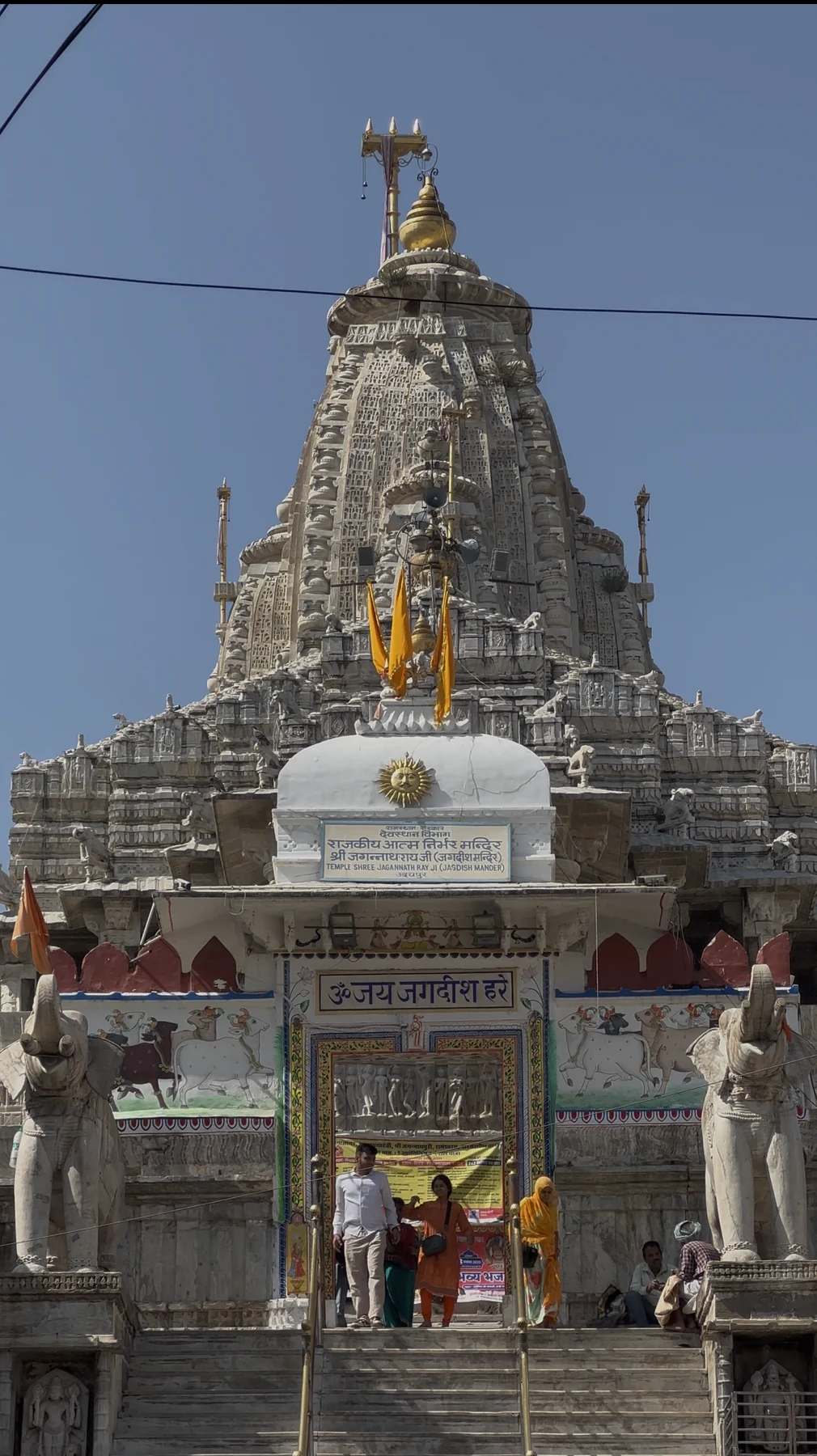
Built in 1651 under Maharana Jagat Singh I, Jagdish Temple is dedicated to Vishnu. Its carved exterior makes it a natural companion to the nearby palace, but it remains a place of worship. Dress respectfully, remove footwear where required and follow photography instructions. Source: Rajasthan Tourism.
Bagore ki Haveli and the Old City ghats
Bagore ki Haveli stands at Gangaur Ghat and houses the West Zone Cultural Centre. Its restored museum setting and evening Dharohar performance offer different ways to explore regional culture. Confirm the current show programme and ticket arrangements before making it the centrepiece of your evening. Source: West Zone Cultural Centre.
Allow time around the ghats without scheduling every minute. These are neighbourhood and religious spaces as well as visitor viewpoints. Ask before photographing people closely, keep entrances clear and avoid blocking steps during ceremonies.
Saheliyon ki Bari
Associated with Maharana Sangram Singh II, this garden is known for fountains, marble elephants, pavilions and a lotus pool. It offers a change of pace from museum rooms and busy streets. Combine it with the Fateh Sagar side of the city. Source: Rajasthan Tourism.
Sajjangarh, the Monsoon Palace
Sajjangarh rises above Udaipur’s western hills. Commissioned by Maharana Sajjan Singh in the nineteenth century, it was originally planned as an astronomical centre before becoming associated with monsoon viewing and royal use. Today its setting helps visitors understand the spread of the lakes, city and surrounding hills. Source: Rajasthan Tourism’s Monsoon Palace guide.
Choose a day with reasonable visibility and leave flexibility for access, weather and queues. Sunset is a popular aim, but a clear view earlier in the day can be more satisfying than a rushed or clouded evening visit.
Ahar, Moti Magri and other additions
Ahar’s royal cenotaphs and archaeological museum are distinct attractions. The museum introduces a much older settlement history than Udaipur’s palace city. Moti Magri, overlooking Fateh Sagar, commemorates Maharana Pratap and his horse Chetak. Source: Rajasthan Tourism.
Choose Ahar for archaeology and memorial architecture, or Moti Magri to connect a lakeside visit with Mewar’s historical memory. The Doodh Talai area and nearby Karni Mata viewpoint provide another option for visitors who prefer a panorama. Confirm the current ropeway arrangements if you plan to use it. Doodh Talai visitor context.
Udaipur culture: festivals, performance and crafts
Royal collections tell one part of Udaipur’s story. Regional festivals, rural traditions and contemporary craft work tell others. Leave room to encounter more than palace architecture, particularly if you have a second full day.
Mewar Festival and Gangaur
The Mewar Festival coincides with Gangaur and welcomes spring. Religious processions, music and cultural programmes connect the celebration with Udaipur’s lakeside spaces. Dates follow the annual calendar rather than a fixed set of Gregorian dates, so check the programme for your travel year. Source: Rajasthan Tourism festival calendar.
If attending, make room for worshippers and processions. A festival day can be memorable, but it may also change vehicle access and the time needed to move between sights. Keep that day’s sightseeing plan light.
Bhil traditions and regional performance
The wider Mewar region includes Bhil cultural traditions. IGNCA documents Gavari as an extended ritual dance-drama season and Sanjhya as a tradition of seasonal wall imagery associated with women and girls. A scheduled stage performance in a tourist venue should not be confused with experiencing an entire community ritual. Source: Indira Gandhi National Centre for the Arts.
Shilpgram and buying crafts thoughtfully
Shilpgram presents rural arts and crafts from several western Indian states, including Rajasthan, Gujarat, Maharashtra and Goa. Its late-December festival is a particular draw, while the experience at other times depends on the programme. Source: West Zone Cultural Centre.
When buying a painting, textile or decorative object, ask where it was made, what materials were used and whether it is handmade, printed or reproduced. For an expensive purchase, request an itemised receipt and clear shipping terms. An enjoyable conversation with a maker can be as valuable as the object you take home.
What to eat in Udaipur
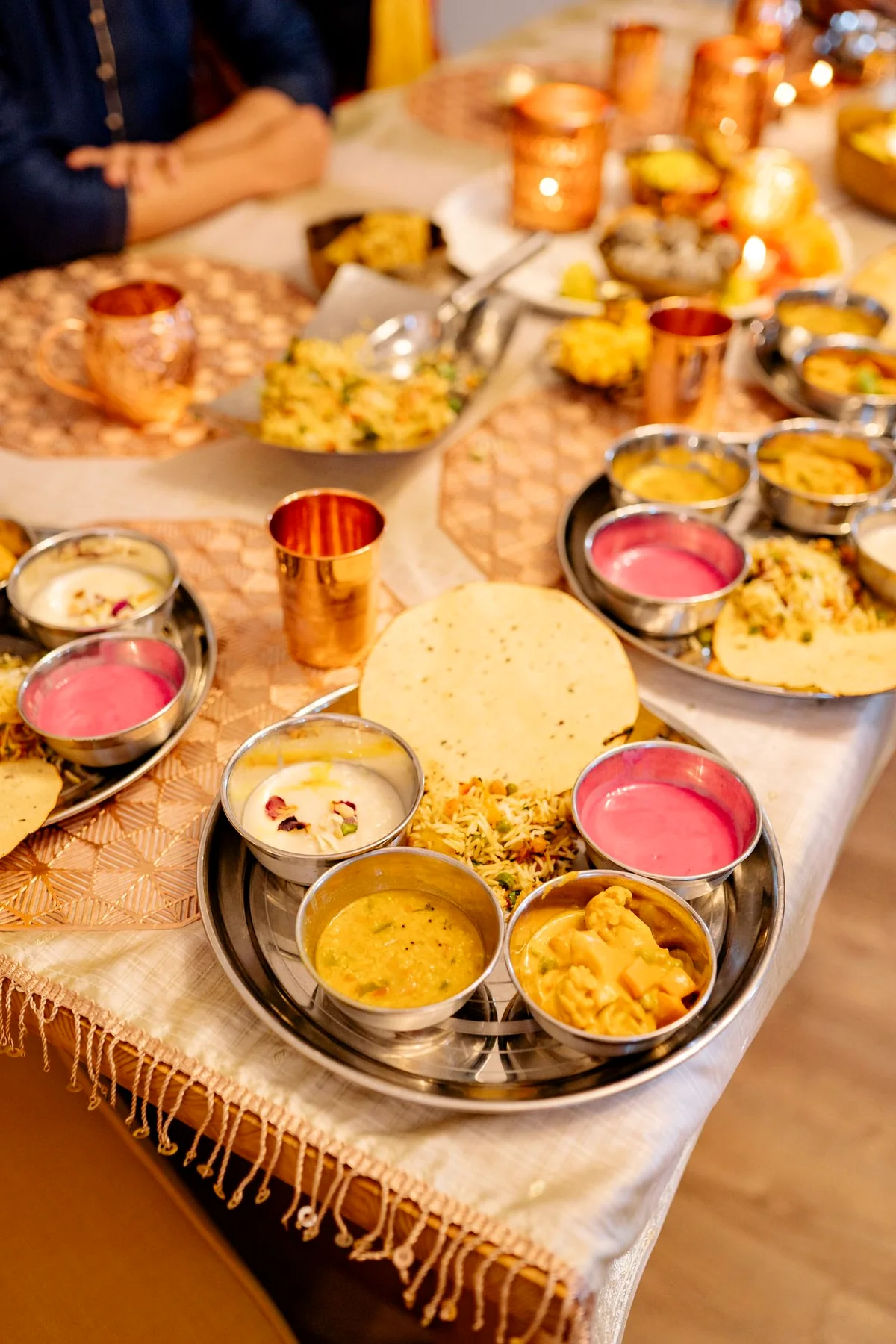
Make time for a regional meal alongside the city’s café and hotel dining. Dishes to look for include dal baati churma, gatte ki sabzi, ker sangri and laal maas. These belong to a wider Rajasthani food tradition; not every dish originated in Udaipur. Kachori and seasonal sweets such as ghevar offer smaller tasting opportunities. Cuisine reference: Incredible India.
- For a first regional meal: choose a thali or a small selection that lets you compare breads, vegetables, lentils and sweets.
- For vegetarian or Jain preferences: explain your requirements before ordering, including onion, garlic or root-vegetable restrictions where relevant.
- For a lakeside dinner: confirm whether your reservation actually includes a view-facing table.
- For a sightseeing day: leave a proper meal break instead of adding lunch to an already overloaded route.
Check ingredients directly if you have allergies, and choose food and drinking water with appropriate care. Restaurant quality and menus change; an attractive rooftop photograph alone is not a reason to book a meal.
Nature, plants and wildlife around Udaipur
Udaipur’s natural setting includes lake margins, rocky hills, scrub, grassland and dry deciduous woodland. The Forest Department’s Sajjangarh sanctuary plan records wildlife including leopards, jackals, hyenas and langurs, and explains the sanctuary’s role within the lake catchment. This is habitat information, not a promise of sightings on an ordinary city tour. Source: Sajjangarh management plan, 2025–26 to 2034–35.
Distinguish the wild sanctuary from the nearby biological park, which is a managed captive-animal facility. For a nature outing, first decide whether you want landscape photography, birdwatching, a permitted woodland visit or a dedicated wildlife drive. They require different plans.
Stay on permitted routes, avoid feeding animals and give nesting or resting birds space. For a longer wildlife excursion, our Jawai leopard safari day trip from Udaipur combines road transfers with a separate safari experience. Jawai lies outside the city and requires a substantial travel day; leopard sightings remain unpredictable.
Best time to visit Udaipur: weather and seasons
November to February is our preferred period for a sightseeing-led first visit. October and March can also work well if you plan for warmer afternoons. The monsoon suits travellers who welcome greener landscapes and are comfortable changing outdoor plans.
| Season | How to plan |
|---|---|
| November–February | Prioritise walking, museums and longer sightseeing days. Pack a layer for cool mornings and evenings. |
| March–April | Start outdoor visits earlier and leave time for lunch or an indoor break. |
| May–June | Expect substantial daytime heat. Use a lighter itinerary with transport and rest periods. |
| July–September | Allow for rain, slippery surfaces and possible changes to boat or hill-view plans. |
| October | A transition towards the main visiting season, with daytime warmth still relevant. |
For context, the India Meteorological Department’s 1991–2020 normals for Dabok give January mean daily minimum and maximum temperatures of approximately 7.6°C and 24.5°C; May’s mean daily maximum is 40.2°C. July and August receive the heaviest average rainfall. These are long-term station averages, not a forecast for your hotel or travel date. Source: IMD Udaipur/Dabok climate data.
The season can change the experience without making one month universally “best.” Choose winter for more comfortable outdoor time, the monsoon for a flexible landscape-focused break, and hotter months only with a pace that suits your group.
Udaipur tourist footfall: how busy does it get?
Official figures show substantial visitor activity, but the geographic scope matters. Rajasthan’s Economic Review 2025–26 reports the following for calendar year 2025:
| Measure | Reported figure |
|---|---|
| Foreign tourist visits to Udaipur district | 470,971, compared with 483,109 in 2024. |
| Domestic tourist visits to City Palace, Udaipur | 15.23 lakh (approximately 1.523 million), compared with 12.84 lakh in 2024. |
These measure different things: one covers foreign visits across a district, while the other covers domestic visits to one attraction. Do not add them together as Udaipur’s total tourists, or treat them as counts of unique people. Source: Rajasthan Economic Review 2025–26, Tables 6.2 and 6.3.
For trip planning, allow more flexibility around winter holidays, major festivals, weekends and wedding dates. This is a practical planning recommendation, not a measured forecast of queues on a particular day. RTDC identifies October–March as Rajasthan’s main visiting season. Seasonal context: RTDC.
Reserve the experiences that matter most, visit major attractions early when possible, and keep an alternative evening if a particular sunset boat ride is central to your trip.
Where to stay in Udaipur: neighbourhoods and accommodation types
Choose your area before choosing your room. A beautiful countryside resort and a small Old City haveli can both be good choices, but they support very different daily routines.
| Base or accommodation type | Best fit and what to confirm |
|---|---|
| Old City and Pichola-side havelis | Consider these for a sightseeing-led stay. Confirm stairs, luggage access, noise and the nearest practical vehicle pickup point. |
| Island palace hotels | A special-occasion stay with a distinctive setting. Check transfers and guest-access arrangements rather than assuming ordinary road access. |
| Fateh Sagar-side accommodation | An alternative lake setting. Check the room’s actual view and transport arrangements to the Old City. |
| Contemporary city hotels, guesthouses and hostels | Compare practical location, room facilities, access and overall value. Budget separately for local travel. |
| Resorts on the countryside edge | Consider these when gardens, a pool, wellness or time at the property are part of the holiday. Confirm transfer time and pickup coverage. |
| Heritage retreats beyond the city | A separate rural base can suit a slower trip. Check whether daily travel into central Udaipur matches the holiday you want. |
Examples illustrate the differences: Jagat Niwas Palace is at Lal Ghat; The LaLiT Laxmi Vilas Palace overlooks Fateh Sagar; Taj Aravali is on the Kodiyat side; and RAAS Devigarh is in Delwara. These are location and property-type examples, not a ranked hotel list or accommodation included with our day tours.
For families and older travellers, ask about lifts, connecting rooms, walking distances and the route between the entrance and your room. For couples, confirm privacy and the specific view category. For short stays, a convenient base can be worth more than another facility you will not have time to use.
How to reach Udaipur: airport, trains and road routes
By air
Udaipur is served by Maharana Pratap Airport at Dabok, code UDR. It is outside the central sightseeing area, so include an onward transfer in your arrival plan. Check current flight routes for your dates rather than relying on an old list of airlines. Airport reference: Airports Authority of India.
By train
Search for Udaipur City, code UDZ, and verify the station, date and arrival time on the ticket. An overnight train may preserve a sightseeing day, but leave room for check-in, breakfast and delays before a timed activity. Station reference: Indian Railways Rail Sahyog.
Approximate road distances from major cities
These are rounded planning references, not live navigation results. Your starting point, hotel, chosen road and sightseeing stops change the actual journey.
| Origin | Approximate distance and route context |
|---|---|
| Jaipur | About 400 km via Ajmer in official visitor guidance; allow a substantial transfer day. |
| Jodhpur | About 260 km in Rajasthan Tourism’s itinerary. A detour through Ranakpur changes the schedule. |
| Chittorgarh | About 115–120 km. A fort visit requires time beyond the transfer itself. |
| Delhi | Around 660 km in the district survey report; the report does not specify an exact route, so check current navigation. |
| Ahmedabad | About 250 km in HRH’s hotel access guidance. Confirm your actual endpoints and the current NH48 route. |
Distance references: Rajasthan Legislative Assembly visitor guidance, Rajasthan Tourism itineraries, Chittorgarh destination information, Udaipur District Survey Report 2024 and HRH Garden Hotel access information. Some reference documents predate current road arrangements; use them for scale and verify the journey before departure.
From Mumbai and other more distant origins, compare the total door-to-door time of flights and trains with a road journey. Do not combine a long arrival transfer with a prepaid sunset activity unless you have a realistic buffer.
Getting around the city
Combine walking in the historic centre with transport between more separated sights. A private car is useful for a full-day circuit, while a guided walk lets you spend time in lanes a vehicle cannot meaningfully explore. Confirm the meeting point for your particular hotel: a doorstep pickup and a nearby accessible pickup are not always the same thing.
How many days in Udaipur? Suggested itineraries
These are our suggested trip plans, not fixed operating schedules. Adapt the order to opening hours, weather, your arrival time and how much walking your group enjoys.
One day: concentrate on the essentials
Begin with City Palace Museum and Jagdish Temple, then leave time for lunch. In the afternoon, choose between a wider route towards Saheliyon ki Bari and Fateh Sagar or a slower Old City outing. Finish near Pichola, with a boat ride if its schedule and your booking allow.
If you want the wider route arranged for you, compare our Udaipur private full-day city tour. For planning detail, read how to explore Udaipur in one day.
Two days: the best balance for many first visits
Day one: City Palace, Jagdish Temple, an Old City walk and Pichola. Keep the evening for either a boat experience or a cultural performance, without assuming both will fit.
Day two: Saheliyon ki Bari and Fateh Sagar, followed by a choice of Shilpgram, Ahar or Sajjangarh. Match the second half to your interests rather than adding every attraction. Leave some free time for shopping, food or your accommodation.
Three days: add countryside or slow down
Use the third day for a full excursion, or split the two-day city plan across three easier days. Travellers who enjoy architecture can consider Kumbhalgarh and Ranakpur; those seeking wildlife can consider Jawai. Each deserves its own substantial day.
Four days or more: combine interests without rushing
Allow two days for Udaipur, one excursion and one flexible day for a regional temple route, a quieter lake, a workshop or resort time. If an early safari or long transfer is involved, protect the following morning rather than filling every hour.
For a honeymoon or celebration, build the route around the experiences you most want to enjoy together. For a family, shorter visits and dependable meal breaks often work better than a long checklist.
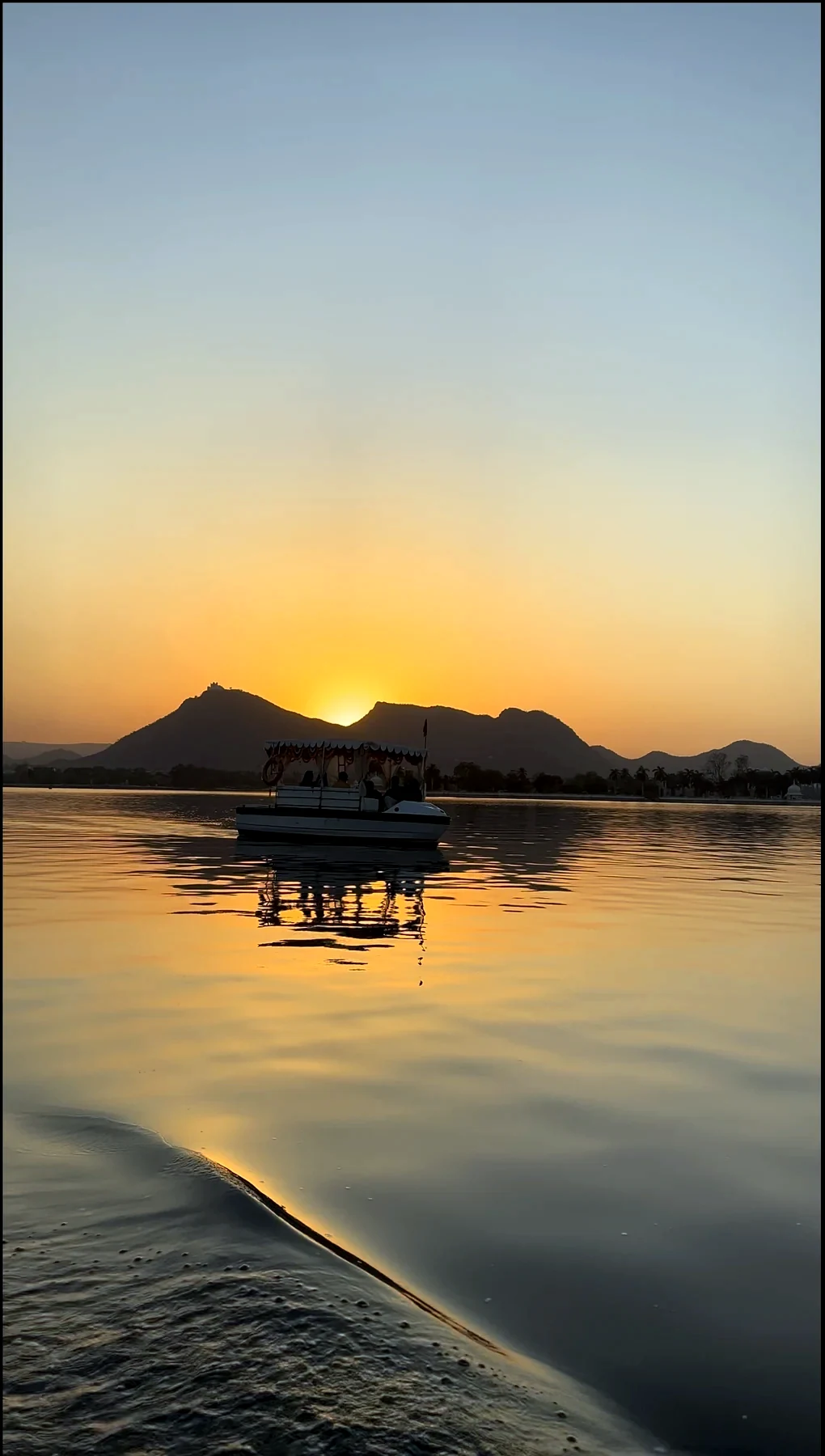
Lake Pichola boat rides: what to confirm before booking
A boat ride provides a different perspective on the palace waterfront, but “Lake Pichola boat ride” does not describe one standard ticket. The boarding point, route, duration, island access and sharing arrangements can differ. HRH, for example, lists both regular boat experiences and charter arrangements. Operator reference: HRH attractions.
- Confirm the exact jetty and the reporting time.
- Ask whether the boat is shared or private.
- Check whether Jag Mandir is a stop, a view from the water or outside the route.
- Establish whether “sunset” means a timed departure category or an attempt to operate near sunset.
- Check the arrangements if weather or lake conditions prevent sailing.
- Confirm any additional transfer or admission costs.
Our Udaipur sunset boat ride and heritage walking tour combines a private guided walk with a shared boat ride in its standard option. Hotel pickup and drop-off are not included in that standard option. The meeting time is confirmed before the experience, and the actual sunset view depends on weather and operations.
For more detail, read our Lake Pichola boat ride guide.
How much should you budget for Udaipur sightseeing?
The useful comparison is the total cost for your group and selected inclusions, rather than the lowest advertised starting price. A driver-only outing, a guided museum visit and a tour with tickets and boating are different purchases.
| Budget item | What to check |
|---|---|
| Transport | Private or shared service, pickup area, vehicle capacity, parking, tolls and any extra hours. |
| Guide | Whether guiding is included, its language and which parts of the visit it covers. |
| Attraction admission | The exact museum, garden or additional gallery included in the ticket. |
| Boat experience | Sharing, route, departure category, island access and transfers. |
| Meals and extras | Lunch, drinks, camera charges, performances, shopping and optional activities. |
A practical way to budget is to choose your must-see attractions first, then compare the complete booking options for that route. Do not pay for the same admission twice if it is already included in a tour.
For a closer comparison, use our Udaipur sightseeing cost guide, then select your date, travellers and preferred option on the relevant product page to review the current total.
Which Safari Rajasthan Udaipur tour should you choose?
Choose according to your available time and interests. The durations below describe the currently listed experiences; the confirmed itinerary and selected booking option determine the final arrangements.
| Experience | Who it suits | Listed duration |
|---|---|---|
| Udaipur Half-Day City Tour | A focused palace, temple, Old City and Pichola introduction. | 4–5 hours |
| Udaipur Private Full-Day City Tour | A broader sightseeing route including gardens and Fateh Sagar. | 8–9 hours |
| Sunset Boat Ride and Heritage Walking Tour | A guided lakeside evening with an included boat experience. | 2.5–3 hours |
| Kumbhalgarh and Ranakpur Day Trip | Fort and temple architecture beyond Udaipur. | 10–11 hours |
| Jawai Leopard Safari Day Trip | Travellers ready for a long transfer-and-wildlife day. | 11–13 hours |
A focused introduction: half-day sightseeing
The half-day tour concentrates on City Palace, Jagdish Temple, the Old City and the Pichola waterfront. The listed inclusions cover a private air-conditioned vehicle, city hotel pickup and drop-off, and City Palace Museum admission. Guide and boat inclusions depend on the option selected.
View Udaipur Half-Day Tour Options and Prices
A wider city route: full-day sightseeing
The full-day experience gives more time for the city and extends the route towards Saheliyon ki Bari and Fateh Sagar. Review the selected option’s guide, admission, boat and meal details before booking, and ask us to confirm anything unclear in the inclusion list.
View Udaipur Full-Day Tour Options and Prices
An evening on foot and water
The sunset experience is useful when you have an evening available or want to complement a museum visit with a different perspective. Its private guiding applies to the walking experience; the standard boat ride is shared.
View Udaipur Sunset Boat and Walking Tour Options
For all experiences, use your actual travel date and group size when comparing totals. An outlying resort, special pickup request or additional stop should be agreed before the tour rather than assumed to be included.
Day trips from Udaipur: forts, temples and wildlife
Kumbhalgarh Fort and Ranakpur Jain Temple
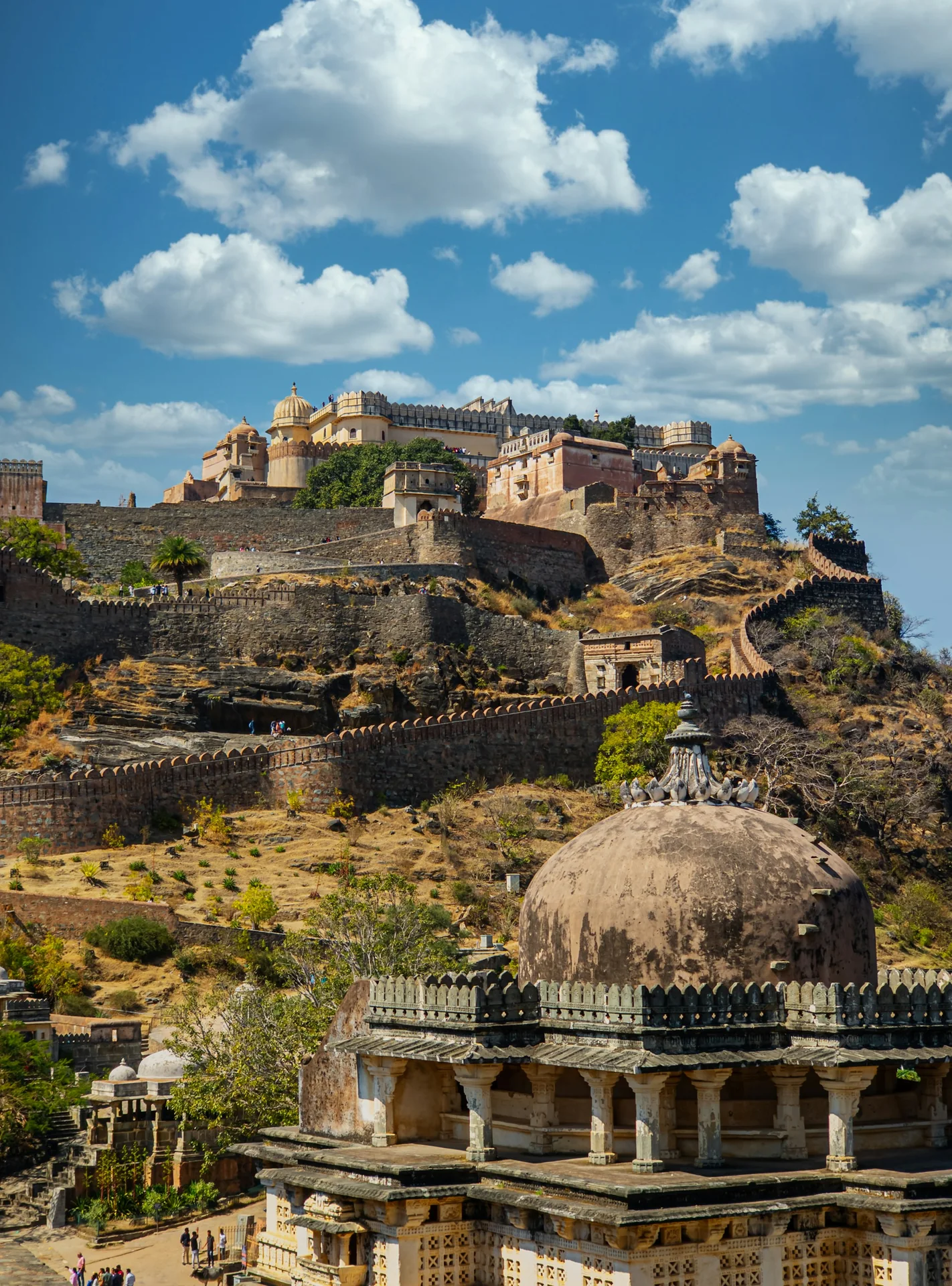
Kumbhalgarh is one of the six components of the UNESCO-listed Hill Forts of Rajasthan. Ranakpur offers a different architectural experience centred on its Jain temple. Treat their combination as a full day, allowing for winding roads and religious access requirements. UNESCO reference; Rajasthan Tourism regional itineraries.
Our trip uses a private air-conditioned vehicle from Udaipur. Guide, admission and meal arrangements depend on the selected option, and the order of visits may change to fit local access.
View Kumbhalgarh and Ranakpur Day Trip Options
Jawai leopard safari
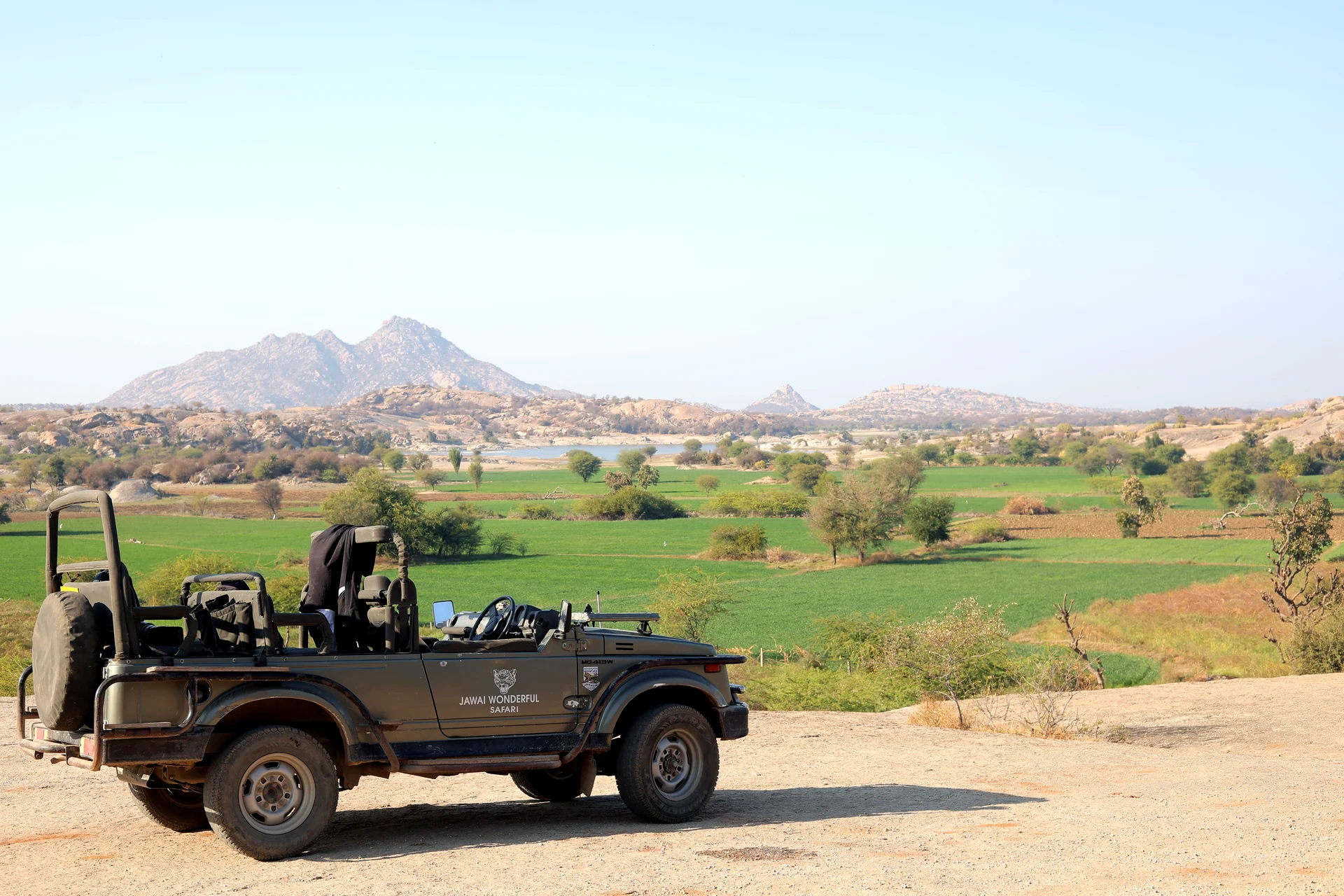
Jawai’s granite landscape makes it a different excursion from Udaipur’s city sights. The day trip combines private return road transfers with a safari vehicle and local safari driver or tracker. The safari may be shared or private according to the option. Allow for an early start or late return, and remember that wildlife sightings cannot be guaranteed.
View Jawai Safari Day Trip Options from Udaipur
If the travel day feels too long, compare the trade-offs in our Jawai day trip or overnight stay guide.
Other regional interests
Chittorgarh suits a separate fort-focused day. Eklingji, Nagda and Nathdwara can interest travellers planning around temples and regional heritage; Haldighati adds a Mewar history connection. Match the route to your interests and current access, rather than attempting to combine the entire region in one outing. Chittorgarh reference; regional itinerary reference.
Temple visits require particular attention to darshan schedules, dress and photography rules. Leave flexibility around worship and festivals, and confirm the plan before departure.
Practical tips for a comfortable Udaipur visit
- Agree on the pace: mention stairs, heat tolerance and walking preferences when booking.
- Check access at heritage buildings: “accessible” may apply to some areas rather than every room.
- Confirm the pickup location: give the exact hotel name and address, especially for Old City properties and distant resorts.
- Keep one flexible evening: weather, performance schedules and boating can change.
- Dress for both climate and temples: comfortable footwear and clothing that can cover shoulders and knees are useful.
- Ask before photographing worship or people: a public setting does not remove the need for courtesy.
- Keep children supervised by water and on steps: choose a route appropriate to their age and energy.
- Leave time for the return journey: do not schedule an airport transfer immediately after an uncertain boat departure.
The City Palace Museum’s published FAQ acknowledges multiple levels and narrow stairs, while also listing accessibility facilities and assistance. Contact the museum or your tour organiser about the areas you want to visit and the help you need; a general facility list is not a guarantee that every route will suit every visitor. Museum access reference, updated October 2023.
Udaipur travel FAQs
Is Udaipur worth visiting?
Yes, particularly if you enjoy architecture, museums, lakeside scenery and cultural experiences. A palace visit and time around Pichola offer a strong introduction. Add a second day if you want gardens, crafts or a less hurried pace.
Why is Udaipur called the City of Lakes?
Lakes are central to its landscape and identity. Pichola and Fateh Sagar are the best-known visitor choices, with smaller urban water bodies and larger lakes beyond the centre forming part of the wider setting.
Is Udaipur in the Thar Desert?
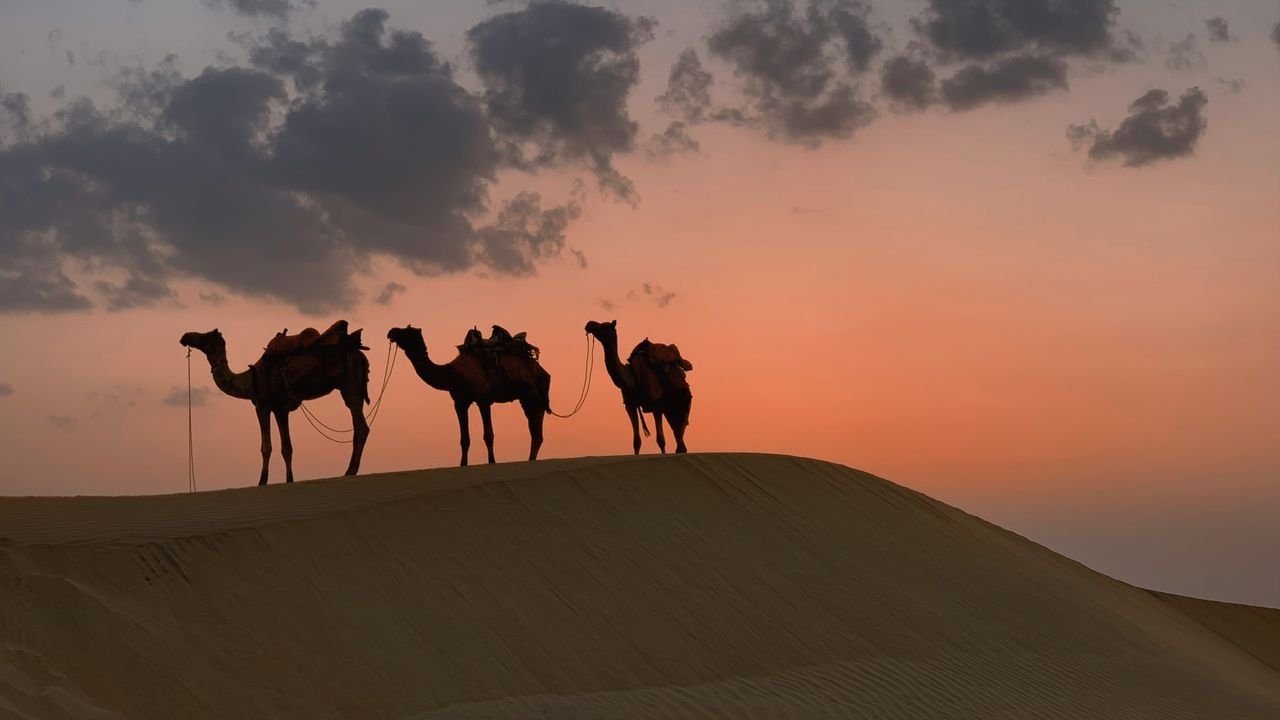
No. Udaipur’s visitor landscape is shaped by the Aravalli Hills and lakes. Plan it as a hill-and-lake city experience. If your priority is sand dunes or a desert safari, choose a separate desert destination such as Jaisalmer.
Are two days enough for Udaipur?
Two full days are a practical introduction to the principal city sights. Count arrival and departure time separately. Add another day for a major excursion, a slower museum visit or time at a resort.
Can I visit Udaipur in half a day?
You can see a focused selection, usually centred on City Palace, Jagdish Temple, the Old City and Pichola. A half-day plan is suitable for limited time, but it will not cover the full destination.
Which is better for a first visit: Lake Pichola or Fateh Sagar?
Choose Pichola first for the historic palace waterfront. Add Fateh Sagar for another lakeside setting and a route that pairs with gardens or Moti Magri. They complement each other rather than offering identical experiences.
Does a Lake Pichola boat ticket include Lake Palace entry?
No. Viewing Lake Palace from the water is different from entering the Taj hotel. Likewise, a Jag Mandir stop depends on the boat ticket and operating route. Ask about island access explicitly.
Is sunset guaranteed on a sunset boat tour?
No. A tour can be scheduled near sunset, but clouds, weather, lake conditions and boat operations affect the view and timing. Keep expectations centred on the overall lakeside experience.
Is Udaipur suitable for children and older travellers?
It can be, with a suitable route and pace. Historic buildings may involve steps and uneven surfaces, and hot weather makes long walks harder. Discuss mobility, rest breaks and transport before selecting the experience.
Is a guide included in every Udaipur tour?
Check the specific product and booking option. Some experiences include guiding; others offer choices. A private car and driver should not automatically be understood to include professional guiding inside monuments.
Can I visit Kumbhalgarh, Ranakpur or Jawai from Udaipur?
Yes. Safari Rajasthan lists a combined Kumbhalgarh–Ranakpur excursion and a separate Jawai safari day trip. Each requires its own long day; they should not be added to an already full city itinerary.
What should I book first?
Secure transport to Udaipur and accommodation, then reserve the tours or timed experiences most important to you. Confirm the exact inclusions and meeting arrangements, and leave some room for weather and personal choice.
Plan your Udaipur visit with Safari Rajasthan
Choose a focused half-day introduction, a fuller city circuit, an evening on the lake or a day beyond Udaipur. Our product pages let you compare the listed routes and booking options before choosing the experience that suits your dates and group.
View Udaipur Tours, Prices and Booking Options
For a combination of city sightseeing, heritage excursions and time at your accommodation, ask Safari Rajasthan to help plan your trip. Share your dates, group size, hotel location and interests so the proposed route matches the holiday you want.
Information reviewed on 11 September 2026. Historical and destination references are linked beside the relevant sections. Visitor statistics are labelled by year and scope. Travel plans and time allowances are our recommendations; admission, transport, boat services, weather and tour availability should be reconfirmed for your travel dates.