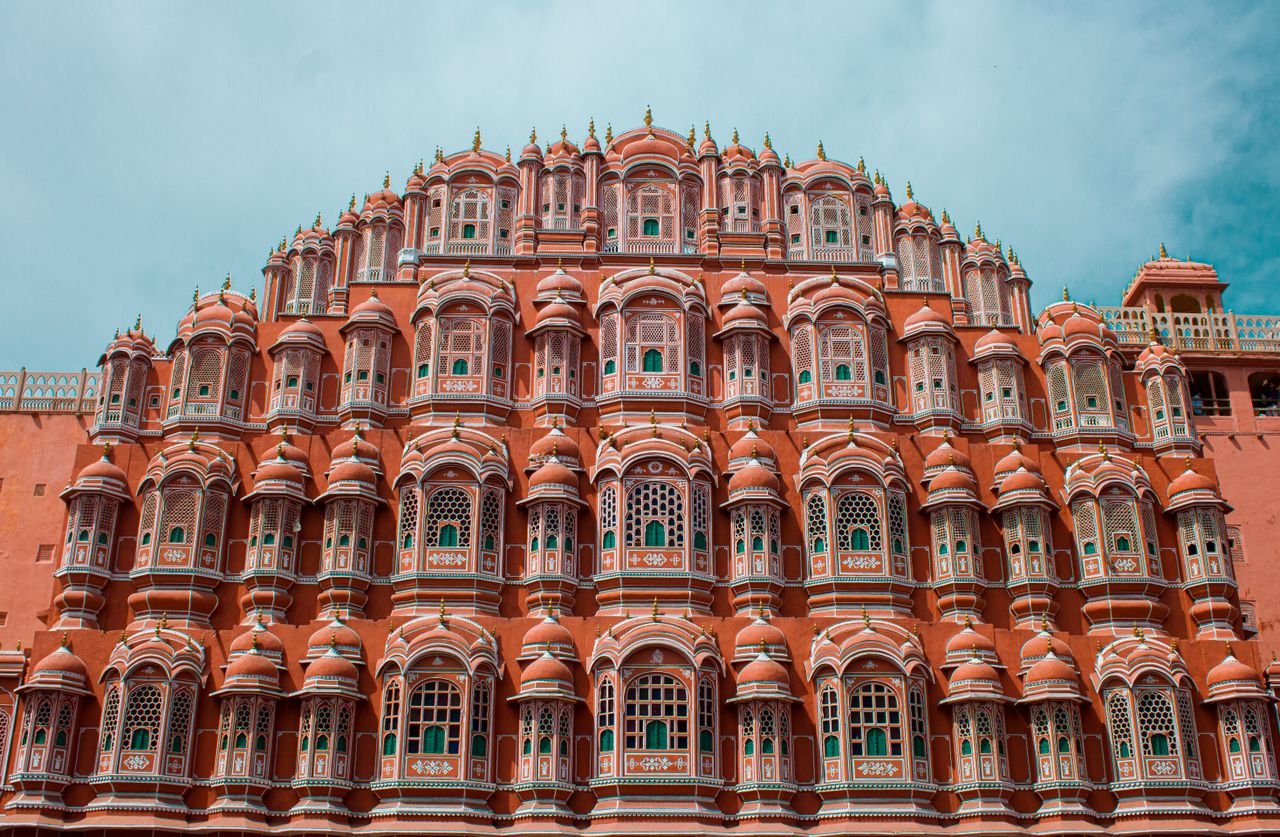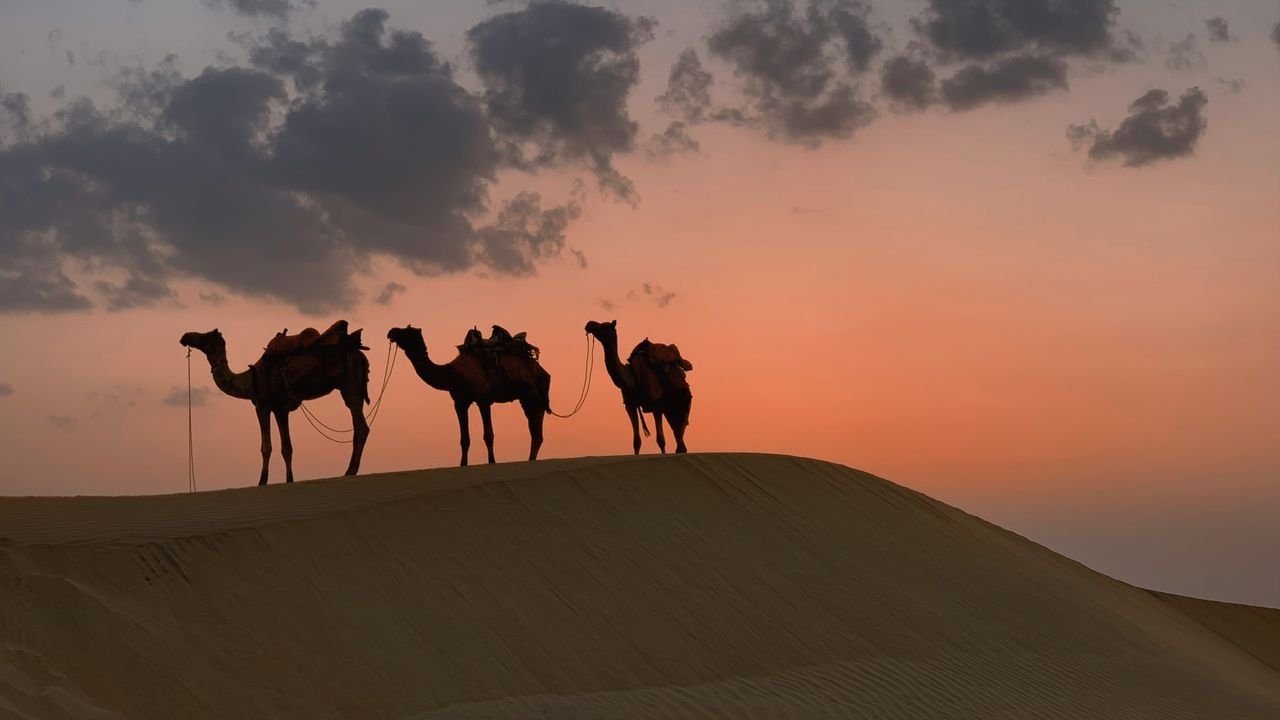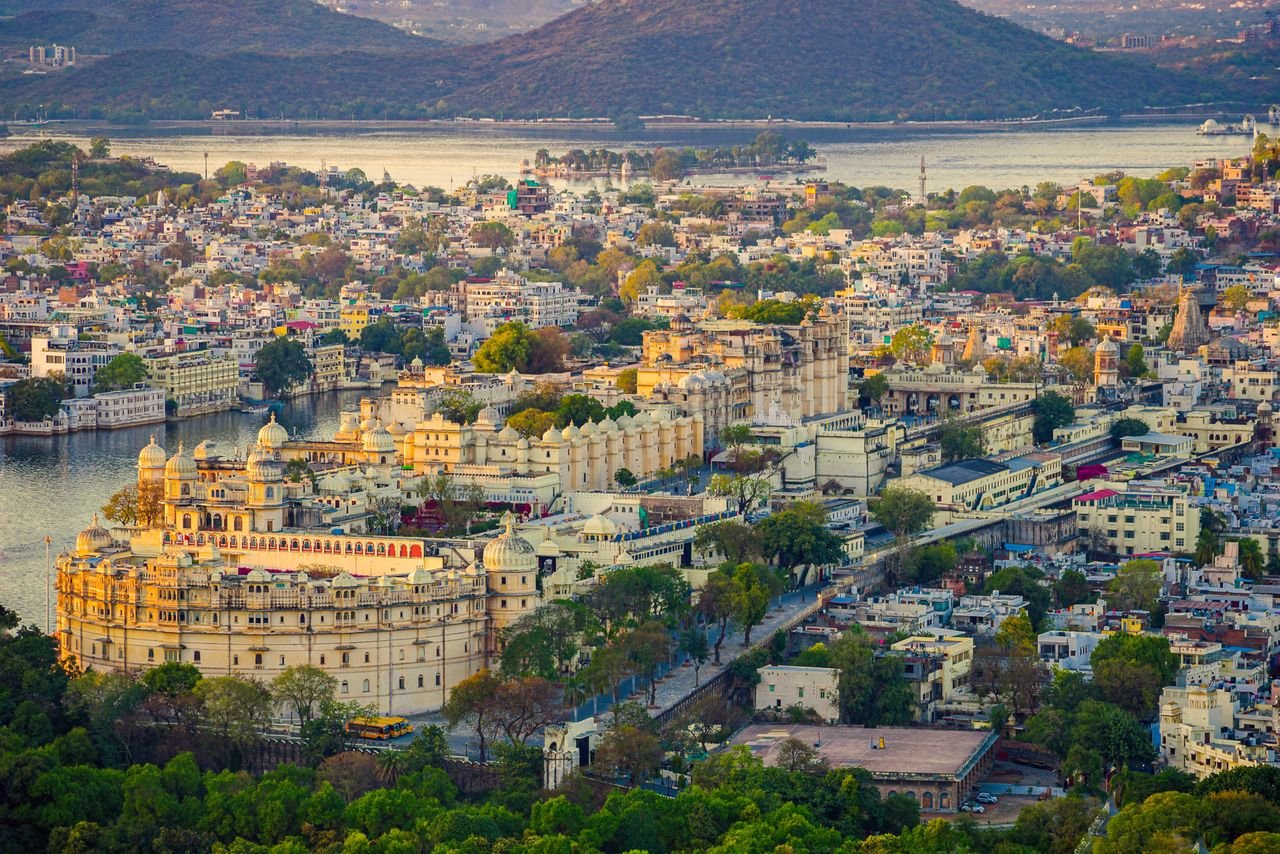
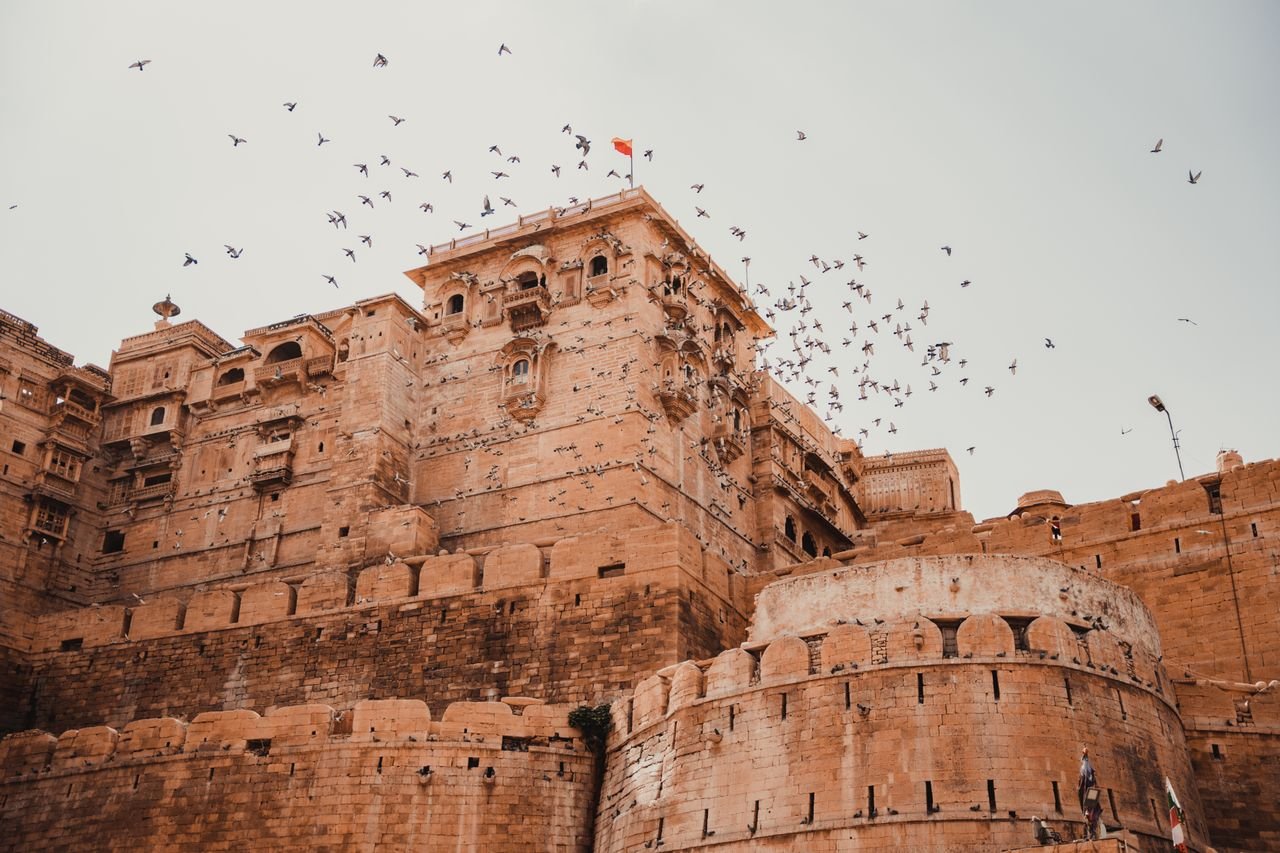
Jaisalmer is a historic desert city in western Rajasthan, known for its golden sandstone architecture, inhabited hill fort, carved merchant houses and access to the Thar Desert. A visit can combine heritage walks, temples, camel riding, jeep safaris, folk music, regional food and excursions beyond the city.
For a first visit, we recommend three days and two or three nights. That gives you time for the historic centre, a desert experience and one additional excursion without trying to fit everything into a single day. Add another day if you want both a wildlife outing and the Tanot–Longewala circuit.
Start by comparing our Jaisalmer tours and desert experiences, then use this guide to decide how to organise your stay.
Jaisalmer at a glance
| Question | Quick answer |
|---|---|
| Where is Jaisalmer? | In western Rajasthan, India, within the Thar Desert region |
| Why is it called the Golden City? | Its yellow-gold sandstone gives many buildings a warm golden appearance |
| Who founded Jaisalmer? | Rawal Jaisal, in 1156 |
| What is its best-known landmark? | Jaisalmer Fort, also called Sonar Qila |
| Is the fort a World Heritage Site? | It forms part of UNESCO’s Hill Forts of Rajasthan property |
| What can you do besides a safari? | Explore havelis, temples, museums, Gadisar Lake, markets and regional excursions |
| How many days should you allow? | Three days for an introductory visit; longer for additional excursions |
| When is a comfortable time to visit? | Generally November to March, with conditions varying by month |
| Must you stay in a desert camp? | No; desert activities can be booked separately from accommodation |
| Is a desert safari a wildlife safari? | Not necessarily; recreational dune outings and wildlife excursions are different experiences |
Historical and destination references: Census of India’s Jaisalmer handbook, UNESCO, Incredible India.
Why is Jaisalmer famous?
Jaisalmer brings together an inhabited fort, detailed sandstone architecture and a desert landscape that shapes how people travel, build and live.
Its appeal extends beyond a photograph of a camel at sunset. Inside the historic city, narrow streets connect homes, religious buildings and shops. Merchant havelis reveal a different side of its past from the royal fort, while the surrounding region offers dunes, settlements and natural habitats.
For trip planning, think of Jaisalmer in three parts:
- The historic city: fort, havelis, temples, lake and markets.
- The desert experience: camel rides, jeep outings, camps and evening programmes.
- Longer excursions: wildlife, fossil landscapes, pilgrimage and military-history sites.
Separating these helps you choose activities without underestimating the travel involved.
A short history of Jaisalmer
Rawal Jaisal and the foundation of the city
Rawal Jaisal founded Jaisalmer in 1156. The settlement developed around its fortified hilltop, which provided a defensible position in the desert. The city became associated with the Bhati rulers and their regional kingdom. The founding date is recorded in the Census of India’s historical district handbook.
Stories about the city’s origins also include religious prophecy and encounters with a sage. These belong to Jaisalmer’s founding traditions and should be understood as legends rather than treated as independently established historical events.
Trade, merchants and the desert economy
Jaisalmer’s history includes commerce as well as royal rule. Trade brought wealth that found expression in residential architecture, religious patronage and craftsmanship.
The merchant houses are therefore essential to understanding the city. They show how private wealth helped shape its streets, just as the fort expressed political authority. Incredible India’s destination overview describes this connection between medieval commerce and the city’s built heritage.
A living historic city
Jaisalmer Fort remains inhabited. Visitors share its streets with residents, worshippers and businesses.
In 2013, the fort was inscribed as part of the six-fort Hill Forts of Rajasthan World Heritage property. This is a collective UNESCO designation; it does not mean every building or attraction throughout Jaisalmer has a separate World Heritage listing. UNESCO World Heritage Centre

Jaisalmer Fort: the essential first stop
Allow time to explore the fort on foot rather than treating it as a quick viewpoint. Its value lies in the relationship between gateways, lanes, religious buildings, residences and the surrounding town.
For a first visit, a guide can help explain what you are looking at and distinguish historical evidence from local storytelling.
Our Jaisalmer Fort Heritage Walking Tour with a local guide is a useful starting point for travellers who want context as they explore. Check the selected option for its route and whether any separately ticketed interiors are included.
Practical points:
- Wear footwear suitable for slopes and uneven paving.
- Ask before entering residential spaces.
- Follow temple rules on footwear, dress and photography.
- Leave access clear for residents.
- Confirm individual palace, museum and temple admission arrangements.
Why conservation matters
A lived-in fort requires careful management of water, drainage, building alterations and visitor activity. Conservation investigations have documented structural and drainage problems within Jaisalmer Fort. World Monuments Fund technical report
Visitors can help by conserving water, respecting barriers and avoiding litter. Treat the fort as a neighbourhood and historic monument at the same time.

Havelis, temples and places to visit in the city
Patwon Ki Haveli
Patwon Ki Haveli is a group of five havelis, rather than one single mansion. The first was commissioned in 1805 by Guman Chand Patwa. Carved façades, interior decoration and museum displays make it particularly useful for understanding merchant wealth and local craftsmanship. Incredible India: Patwon Ki Haveli
Check which building or museum your ticket covers; the name can refer to the wider complex.
Nathmal Ki Haveli and Salim Singh Ki Haveli
These havelis add variety to an architecture-focused walk. Nathmal Ki Haveli is known for its carved façade, while Salim Singh Ki Haveli has a distinctive upper structure.
Access to interiors may differ from access to the street outside. Check locally before planning your visit around an interior tour. Rajasthan Tourism’s Jaisalmer attraction guide
Jain temples
The Jain temples provide an important religious dimension to a fort visit. Their spaces should be approached as places of worship, with visitor access governed by the relevant temple arrangements.
Check opening periods, photography rules and restrictions before entering. A general sightseeing ticket should not be assumed to cover every religious site.
Mandir Palace and museums
Mandir Palace and the Jaisalmer Government Museum offer additional options for travellers interested in architecture and regional history. They are useful additions to a longer city stay rather than compulsory stops on an already crowded day. Incredible India’s Jaisalmer itinerary
Choose fewer interiors and allow time to look closely instead of rushing through several similar visits.
Gadisar Lake and Jaisalmer’s water heritage
Gadisar Lake is an artificial lake associated with the city’s historic water needs. Rajasthan Tourism connects its construction with Maharawal Gadsi Singh in the 14th century. Rajasthan Tourism: lakes and rivers
A lakeside visit provides a change of pace from the fort’s narrow lanes. Allow time for the waterfront and views rather than assuming you must book an activity.
Boating may be available, but confirm current operations, charges and safety arrangements on arrival. Check any evening show separately rather than treating it as a guaranteed daily inclusion.
Jaisalmer’s lake is also a reminder that desert history involves water collection and settlement planning, not only battles and trade.

Desert safaris: choose the experience you actually want
“Desert safari” is a broad label. It can mean a short camel ride, a jeep outing, an evening with dinner or a longer programme.
| Experience | Main focus | What to check |
|---|---|---|
| Camel safari | Riding at a walking pace and enjoying desert views | Riding time, seating and mounting arrangements |
| Jeep safari | Vehicle-based desert outing | Route, vehicle capacity and sharing arrangements |
| Safari with camp dinner | Desert activity followed by an evening programme | Transfers, meals, performance and return time |
| Private desert package | A more individually arranged outing | Which parts are private and which may be shared |
| Overnight camp stay | Accommodation outside the city | Tent facilities, meals, noise and included activities |
Do not compare packages by price alone. A longer list of inclusions may involve shorter activity durations, shared transport or a different location.
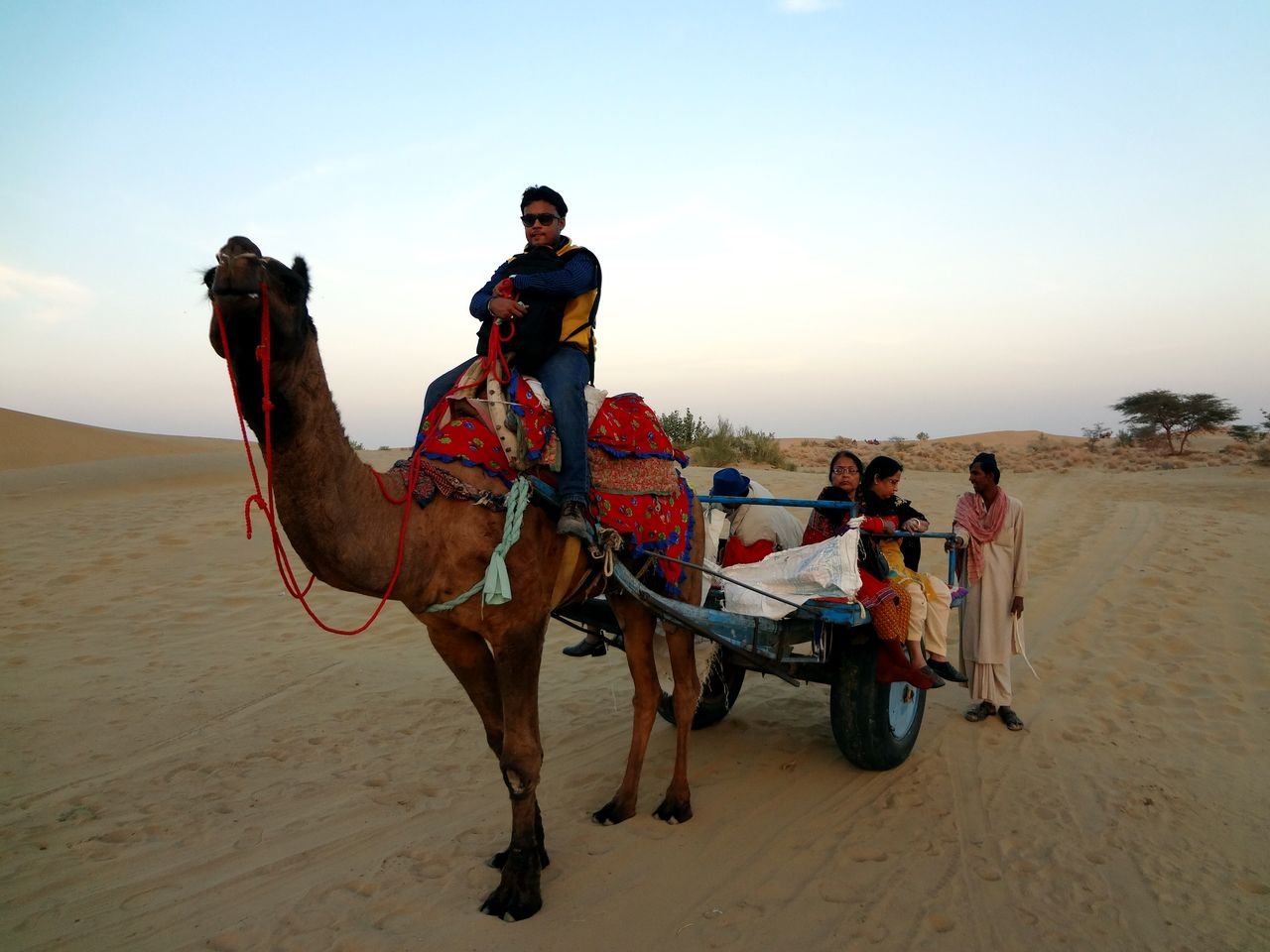
Camel safari
A camel safari suits travellers who want a slower-paced riding experience. It includes the movement of the animal, so mounting and sitting comfortably are part of the decision.
Safari Rajasthan’s Thar Desert Camel Safari has a safari-only price of ₹1,500 per person, with a separate hotel-transfer option. Review the current booking details for the ride duration, departure and total price.
Jeep safari
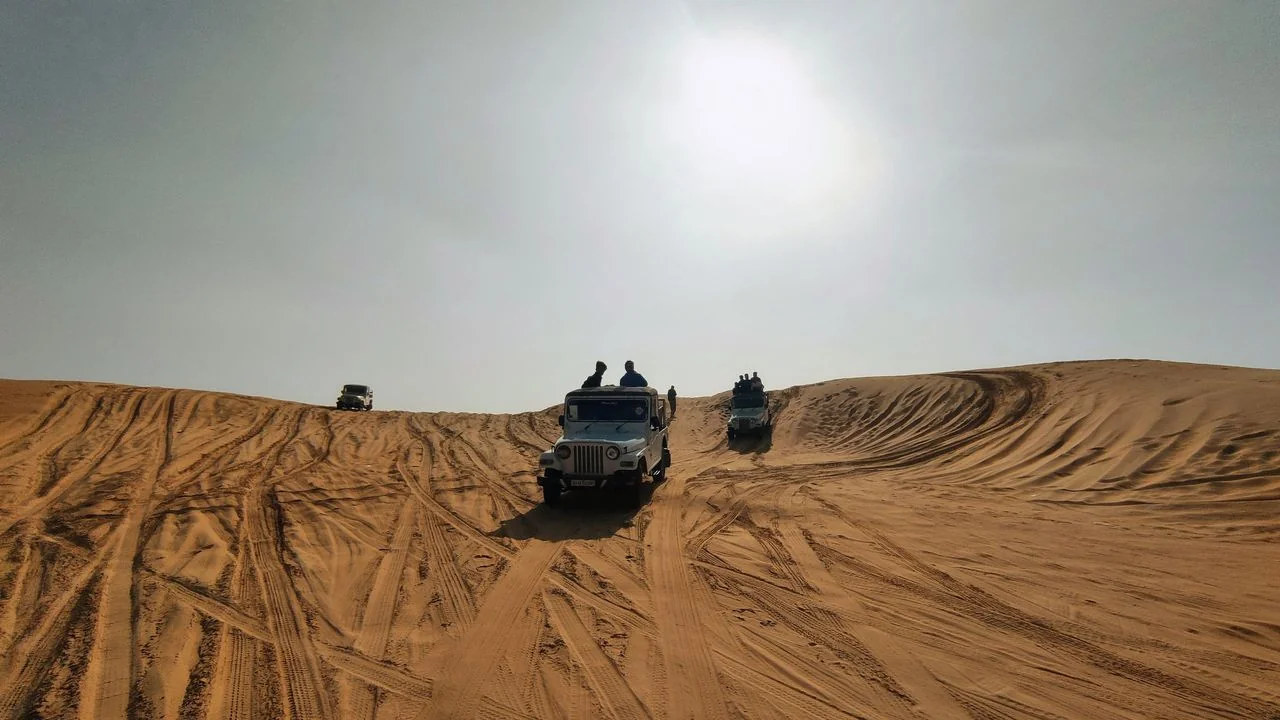
A jeep outing offers a different way to experience the desert. Confirm the actual route and operating arrangements rather than assuming every product includes the same terrain or driving style.
Explore our Jaisalmer Thar Desert Jeep Safari if you prefer a vehicle-based activity. Check whether hotel transfers are included in your chosen option.
Safari with dinner and an evening programme
Travellers who want their desert activity and evening plans combined can compare our Jaisalmer desert safari with camel ride, sunset and camp dinner.
An evening camp visit does not automatically include overnight accommodation. Confirm the departure, return arrangements and meal inclusions.
Private desert experience
Our private Jaisalmer desert experience is another option to compare when planning a more personalised outing.
Read the selected service details carefully. Private transport does not necessarily mean an exclusive performance area or private dunes, and stargazing depends on weather and sky conditions.
Sam, Khuri and choosing a desert location
Sam and Khuri are established areas for camel and camel-cart experiences. Rajasthan Tourism also identifies recreational jeep outings and other adventure activities in parts of the wider desert region. Rajasthan Tourism
Neither place name guarantees a particular experience. Ask about:
- The exact starting point.
- Travel time from your accommodation.
- The route and activity duration.
- The number of participants.
- Nearby vehicle traffic or camp activity.
- What happens after the safari.
Avoid assuming that a location described as “offbeat” will always be empty. The specific route and operator matter more than the label.
Sunrise or sunset in the desert?
Choose sunrise if an early departure fits your plans and you want the rest of the day available. Choose sunset if you prefer to explore the city first.
Both depend on seasonal timing and weather. Reporting time, hotel pickup time and the actual sunrise or sunset are different things.
For photography, use the stationary viewing stop for pictures that need careful framing. Secure your equipment while riding and follow the handler’s or driver’s directions.
Do not arrange a sunset desert outing and a separate city sunset activity for the same evening.
Other activities around Jaisalmer
These activities may be available locally; inclusion in a Safari Rajasthan booking must be stated in the selected option.
| Activity | Planning advice |
|---|---|
| Heritage photography | Allow time for walking and respect residential privacy |
| Folk music and dance | Confirm the venue, programme and whether dinner is included |
| Stargazing | Check moonlight, cloud and nearby lighting; telescope use must be specified |
| Camel-cart rides | Confirm separately; a cart ride differs from riding on a camel |
| Quad biking | Check equipment, route, supervision and participation restrictions |
| Parasailing | Confirm current operation, weather suitability and provider arrangements |
| Shopping and craft browsing | Ask where items were made and compare quality |
| Birdwatching | Arrange a dedicated nature outing rather than expecting it during dune recreation |
| Village visits | Choose an arranged visit that respects residents and their routines |
Build your itinerary around activities you actually want rather than trying to complete the longest possible list.
Desert National Park: wildlife beyond the dunes
The landscape associated with Desert National Park covers approximately 3,162 square kilometres across the Jaisalmer and Barmer region. It includes habitats beyond rolling sand, and is important for the conservation of desert biodiversity. Its UNESCO page is a Tentative List entry, not a completed World Heritage inscription. UNESCO Tentative List
The region’s wildlife includes the Great Indian Bustard, chinkara, desert foxes, reptiles and birds adapted to arid habitats. Vegetation varies across sandy and rocky ground, including grasses and drought-adapted shrubs. Botanical Survey of India: biodiversity of Desert National Park
For visitors, the important distinction is simple: a recreational dune safari is not a dedicated wildlife excursion.
Arrange wildlife visits with suitable local guidance and confirm current entry arrangements. Sightings are never guaranteed. Stay on permitted routes, keep a respectful distance and never request that a vehicle chase an animal or bird.
Excursions beyond the city
Bada Bagh
Bada Bagh is associated with royal cenotaphs and makes a useful architecture-focused excursion. It can suit travellers interested in memorial landscapes and photography.
Plan it around the light and the rest of your route rather than combining it with too many distant attractions.
Kuldhara
Kuldhara is known for its abandoned settlement and the stories surrounding its departure. Visit for the physical remains and historical questions, while treating supernatural accounts as folklore rather than proven fact.
Akal Wood Fossil Park
Akal offers a geological perspective through fossilised wood. It provides a different subject from the fort and desert activities and may interest visitors who enjoy natural history.
Bada Bagh, Kuldhara and Akal are included in Incredible India’s suggested Jaisalmer itinerary. They should be grouped according to route and interest, not simply because they appear on the same list.
Lodurva
Lodurva, also written as Lodhruva or Lodrawa, is associated with the region’s earlier history and Jain religious heritage. It is approximately 15 kilometres from Jaisalmer according to Incredible India’s religious-site guide.
Confirm visitor access and temple rules before travelling.
Tanot Mata Temple and Longewala
Tanot combines pilgrimage with the region’s military memory. Longewala is a separate military-history destination. A trip covering them needs a substantial part of the day rather than a spare hour between city attractions. Incredible India: Tanot Mata Temple
Visiting a temple or memorial does not automatically authorise access to a border post. Confirm current permissions, eligibility, identification requirements and operating conditions with the relevant authorities before departure.
Ramdevra and Pokhran
These belong to wider regional planning. Ramdevra is a major pilgrimage destination, while Pokhran can be considered when designing a longer journey through western Rajasthan.
Discuss the full driving route before adding either to a short city stay.
Culture, music and festivals
Jaisalmer’s cultural life extends beyond performances arranged for visitors. Religious traditions, family livelihoods, craft and music all contribute to the region’s identity.
The Manganiyar musical tradition is strongly associated with western Rajasthan. The bowed kamaicha is particularly connected with the Jaisalmer–Barmer region. Incredible India: regional arts and crafts
When attending a performance, give the musicians your attention, ask before recording closely and distinguish the artists’ work from the broader package being sold.
The Desert Festival is a recognised tourism event featuring cultural activities. Check the announced dates for your travel year rather than relying on an old festival calendar. Rajasthan Tourism
What to eat in Jaisalmer
Regional dishes to look for include dal baati churma, gatte ki sabzi, ker sangri and bajra-based breads. Laal maas is an option for travellers who eat meat, though preparation and spice levels vary by kitchen. Incredible India’s Jaisalmer food guide
A practical approach is to order a regional meal and ask what is freshly prepared that day.
Tell the kitchen about dietary restrictions and confirm ingredients. “Vegetarian” does not automatically mean vegan, and a regional dish name does not establish how much dairy or chilli a particular recipe contains.
For a camp package, check whether dinner is a buffet or another arrangement, what beverages cost and whether special dietary needs can be accommodated.
Shopping and local crafts
Allow time for browsing around the historic centre. Focus on the quality and origin of an item rather than assuming everything sold in Jaisalmer was made locally.
Useful questions include:
- Where was it produced?
- What material is it made from?
- Is the work handmade or machine-produced?
- Can the seller explain the care instructions?
- Does the price include packing or delivery?
Ask before photographing people or entering workshop areas. Buy objects you can transport and use, rather than accepting unsupported claims that an item is antique.
Best time to visit Jaisalmer
November to March is generally a comfortable period for a first visit, particularly when your plans involve outdoor sightseeing. October can also work, but daytime conditions may still be warm. Incredible India identifies November–March as the main visiting season, while RTDC describes the broader winter period as favourable for Rajasthan travel. Incredible India, RTDC seasonal guidance
| Period | How to plan |
|---|---|
| November–February | Bring layers for early and late outings; organise key bookings in advance |
| March and October | Leave breaks around outdoor activities and check the forecast |
| April–June | Expect demanding heat; avoid building a schedule around long midday exposure |
| July–September | Check weather, road conditions and the operation of individual camps and activities |
There is no need to promise pleasant weather on every winter day or assume every activity operates throughout the year.
Footfall and crowds: how busy does Jaisalmer get?
Crowding varies by date and location. For planning, allow extra flexibility around holidays, festival dates and popular evening departures.
The number of visitors to the wider district is not the same as the number standing inside the fort or visiting a particular dune.
A Rajasthan Tourism-hosted media compilation reported 22,416,810 domestic and 161,884 foreign tourist visits for Jaisalmer in 2024. The reproduced report does not establish a unique-person count or explain the full counting scope. These figures should therefore not be described as 22 million individual holidaymakers visiting the city centre. Rajasthan Tourism media compilation, report dated 23 May 2025
For your own trip, exact dates, room availability and the chosen route are more useful than an annual headline total.
Where to stay: city hotel or desert camp?
| Accommodation type | Best suited to | What to check |
|---|---|---|
| City guesthouse | Travellers prioritising access and value | Room facilities, stairs and pickup access |
| Heritage-style hotel | Travellers interested in atmosphere and architecture | Whether “heritage” describes the building or its décor |
| City resort | Guests wanting more facilities and space | Distance from the historic centre |
| Desert camp | Travellers wanting to stay outside the city | Bathroom, cooling/heating, noise, meals and transfers |
| Luxury desert accommodation | Travellers prioritising privacy and comfort | Exact room specification and included experiences |
A tent labelled “luxury” does not provide enough information by itself. Ask about bedding, private bathrooms, hot water, power, seasonal comfort and the proximity of entertainment.
You can stay in the city and book a desert outing separately. One night in a camp is a preference, not a requirement for experiencing the dunes.
How to reach Jaisalmer
By air
Check flights to Jaisalmer for your exact travel dates. Routes and frequency can change. Jodhpur is another airport to consider if its connections fit your wider itinerary, but it requires an onward journey.
By train
Search for services to Jaisalmer railway station and confirm the timetable for your date. Check the arrival time before arranging a same-day sunrise or sunset activity.
By road
Jodhpur and Bikaner are useful cities to consider when building a western Rajasthan route. Rajasthan Tourism lists approximate destination distances of 286 kilometres from Jodhpur and 330 kilometres from Bikaner; the actual road journey depends on your starting point and route. Rajasthan Tourism
For journeys from Jaipur, Udaipur or Delhi, compare a current map route with rail and flight alternatives. Do not treat these longer transfers as minor additions to a sightseeing day.
Getting around locally
Walking is useful in the historic centre. Longer excursions and desert activities require separate transport planning.
Confirm whether your hotel permits vehicle access to its entrance. For a self-arranged desert transfer, agree both the outward and return journey, waiting time and complete charge.
How many days do you need?
One day: a selective introduction
Prioritise the fort and either a haveli or Gadisar Lake. Add a desert outing only if your arrival, departure and transfer arrangements leave sufficient time.
Two days: city and desert
Use one day for the historic centre and the other for a desert experience with a lighter city programme.
Three days: our recommended first visit
This allows you to combine city heritage, a desert outing and one additional excursion with fewer compromises.
Four days or more
Add a dedicated wildlife visit, a longer regional circuit or more time for museums, photography and rest.
These are suggested planning frameworks, not claims that every attraction can be covered in a fixed number of hours.
A practical three-day Jaisalmer itinerary
| Day | Suggested plan |
|---|---|
| Day 1 | Fort heritage walk, selected temple or museum interiors, one haveli and time in the historic streets |
| Day 2 | A lighter morning, followed by your chosen camel safari, jeep safari or camp-evening package |
| Day 3 | Choose one theme: regional heritage, dedicated wildlife excursion or Tanot–Longewala; adjust to your departure |
Gadisar Lake can be included on the day that best suits your hotel location and available time.
Avoid stacking a long border-region excursion and a tightly timed sunset safari together without checking the full route.
Planning your budget
Build your budget from the experiences you choose rather than relying on one universal daily figure.
Account for:
- Accommodation and its meal plan.
- Arrival and departure transport.
- Local sightseeing transport.
- Guide fees.
- Individually ticketed interiors.
- Your selected desert activity.
- Meals and beverages outside packages.
- Optional purchases and gratuities.
Check whether a quoted price is per person, per vehicle or per booking. A displayed “from” rate may depend on group size and is not necessarily the total a solo traveller pays.
Use our Jaisalmer destination page to compare current options rather than relying on old price screenshots.
Accessibility and travelling with different needs
Ask about the actual route if anyone in your group has limited mobility. Historic lanes, slopes, steps and sand can affect access, and a vehicle cannot necessarily reach every entrance.
For camel riding, discuss mounting and seating requirements in advance. For jeep outings, ask about boarding and the planned terrain.
Travelling with children, older relatives or a mixed-interest group often works better with fewer stops and room for breaks. Request specific arrangements rather than relying on broad labels such as “family friendly.”
Frequently asked questions
Why is Jaisalmer called the Golden City?
Its yellow-gold sandstone gives many buildings a warm golden appearance, particularly in favourable light. The fort and historic architecture are central to that identity.
Who founded Jaisalmer?
Rawal Jaisal founded Jaisalmer in 1156. The city became associated with the Bhati rulers and developed around its fortified hilltop.
Is Jaisalmer Fort still inhabited?
Yes. Residents, shops and religious buildings remain within the fort. Visitors should respect it as a living neighbourhood as well as a historic site.
Is Jaisalmer worth visiting without a desert safari?
Yes. The fort, havelis, temples, lake, museums and regional history can support a visit without camel riding or jeep activities.
Are two days enough for Jaisalmer?
Two days can cover selected city attractions and a desert outing. Three days gives more flexibility, while additional excursions need extra time.
Do you have to stay overnight in a desert camp?
No. You can book a desert activity or camp-evening experience and return to your city accommodation.
Are Sam and Khuri the same place?
No. They are different desert areas. Confirm the exact location and travel arrangements for your selected experience.
Does every camel safari include hotel pickup?
No. Some options begin at a meeting point. Hotel pickup and return transport must be stated in the selected booking option.
Is a camel safari the same as a wildlife safari?
No. A recreational camel outing focuses on riding and scenery. Wildlife-focused visits need their own route, guidance and access arrangements.
Is Jaisalmer suitable for vegetarians?
Regional vegetarian dishes are available. Confirm ingredients and special dietary requirements with the kitchen, particularly when meals are part of a camp package.
Can you visit the border from Jaisalmer?
Some regional itineraries include authorised border-tourism areas, but access depends on current permissions and eligibility. A temple or memorial visit does not automatically include border-post entry.
What should you book first?
Start with transport and accommodation for your dates, then reserve the activities with limited departure options. Confirm meeting points and transfers before finalising a tightly timed itinerary.
Plan your Jaisalmer visit
Begin with the kind of trip you want: heritage, a short desert outing, an evening package or a longer stay with regional excursions.
A fort walk and one well-chosen desert experience provide a strong introduction. Add wildlife, pilgrimage or military-history visits when your schedule allows enough travel time.
View Jaisalmer Tours & Desert Experiences →
Historical and destination references were reviewed in September 2026. Activity availability, transport schedules, access rules and prices may change. Check the selected booking details and current attraction arrangements before travelling.