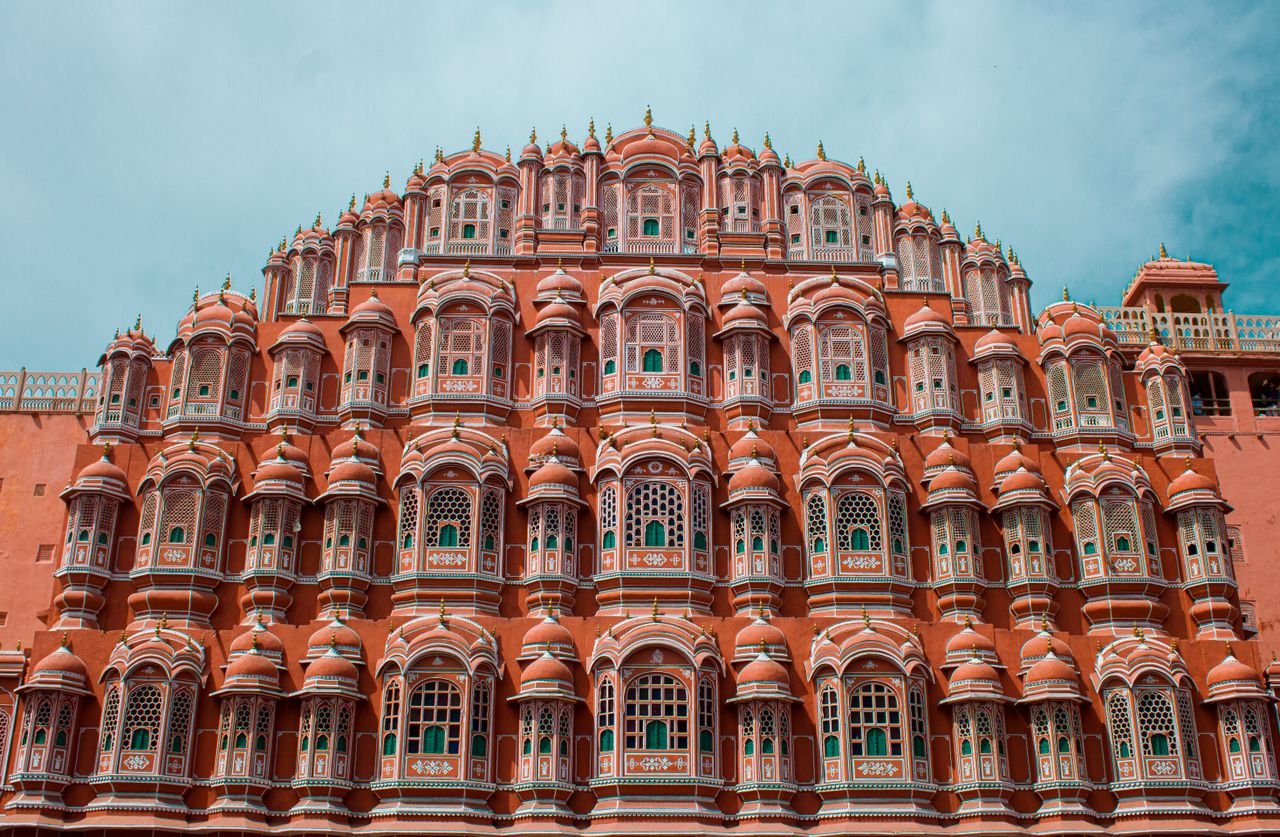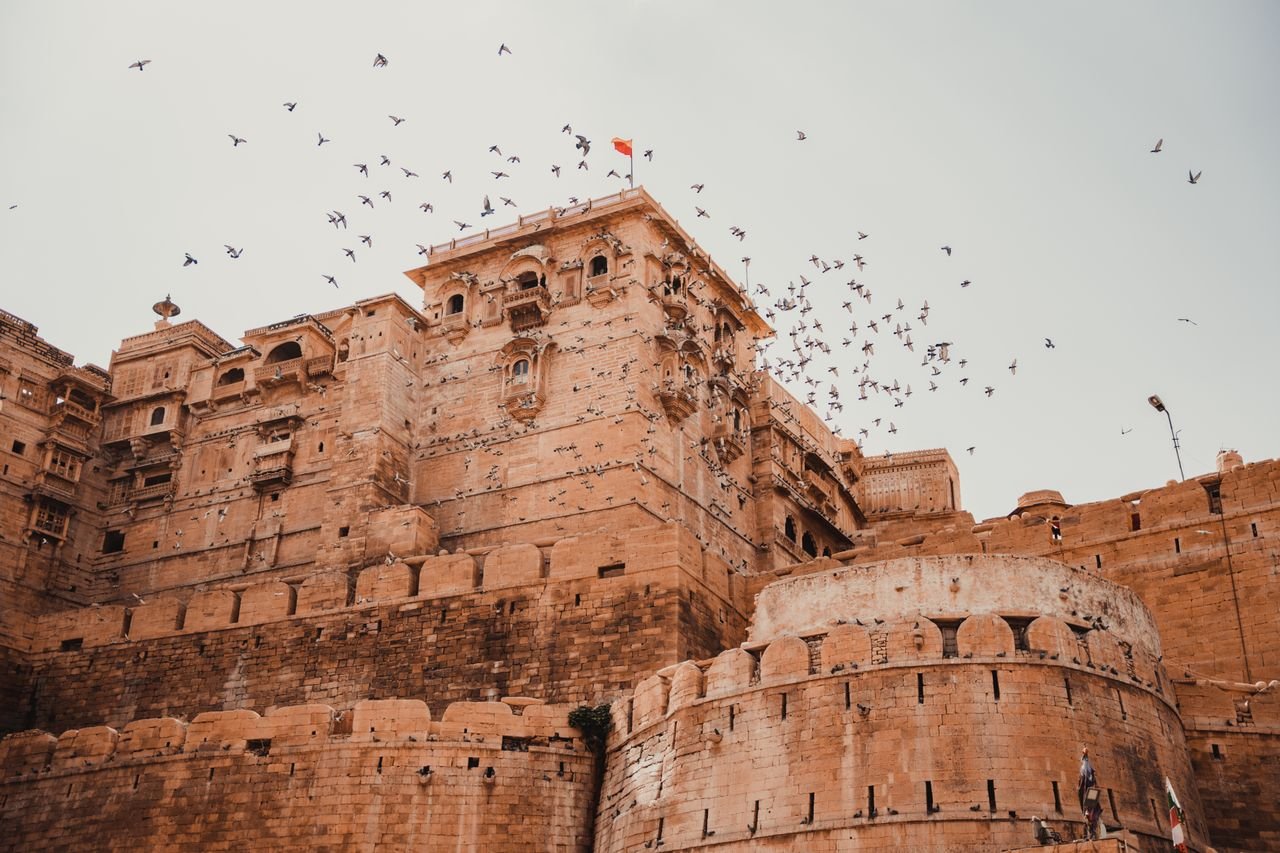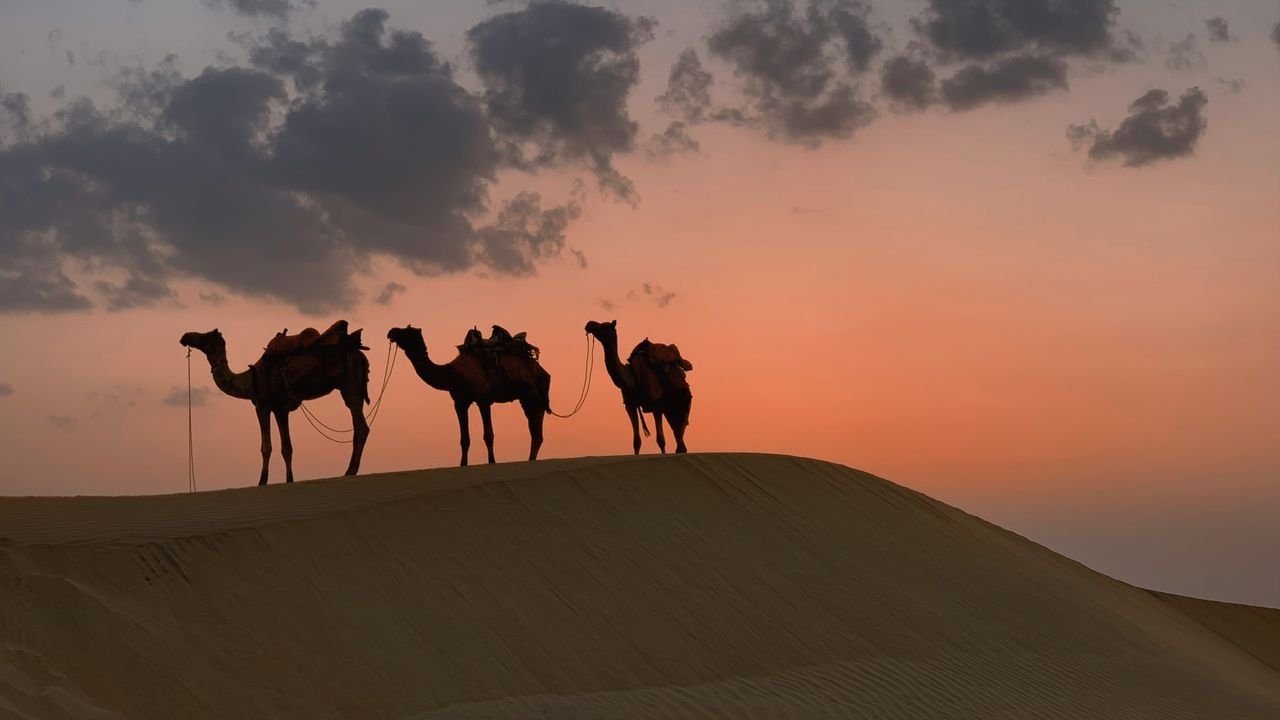
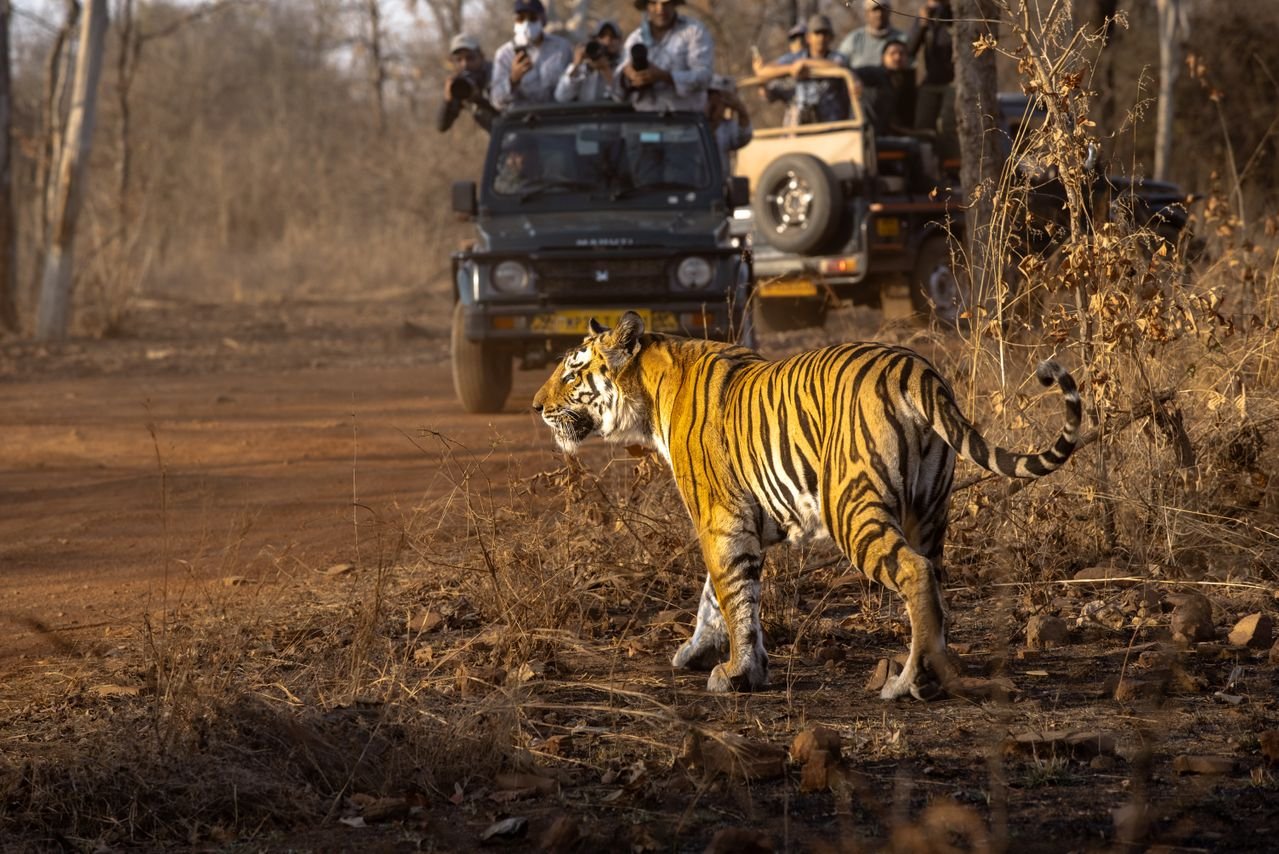
Ranthambore is a wildlife and heritage destination near Sawai Madhopur in Rajasthan, India. It is best known for Bengal tigers, forest safaris and the historic Ranthambore Fort. Its appeal also includes temples, local crafts, birdwatching and time in a landscape of dry woodland, rocky hills and lakes. Rajasthan Tourism
For a first visit, we recommend two nights and three days: enough time to plan two safari outings, explore the fort and leave space for a cultural or museum visit. This is a suggested itinerary, with wildlife activities dependent on confirmed permits and operating conditions.
Planning a visit? Explore our Ranthambore tours and experiences to compare safari options, departure locations, prices and inclusions, and book with Safari Rajasthan.
Ranthambore at a glance
| Question | Quick answer |
|---|---|
| Where is Ranthambore? | Near Sawai Madhopur in southeastern Rajasthan |
| What is it famous for? | Wild tigers, safari experiences and Ranthambore Fort |
| Which railway station should you use? | Sawai Madhopur Junction |
| Which airport is a practical gateway? | Jaipur International Airport, followed by a road transfer |
| What kinds of trip can you plan? | Wildlife, heritage, pilgrimage, photography, crafts and a resort break |
| How long should you stay? | We recommend two nights for an introductory visit; longer for more safari attempts |
| Are tiger sightings guaranteed? | No; these are free-ranging wild animals |
| Is the whole destination closed during the monsoon? | Safari restrictions do not amount to a blanket closure of the town and its accommodation |
Transport and destination references: Rajasthan Tourism, Oberoi travel information. Detailed seasonal guidance appears below.
Why is Ranthambore famous?
The combination of wildlife and historic architecture gives Ranthambore its distinctive identity. A visit can bring together a forest drive, a hill-fort walk and an introduction to the communities around Sawai Madhopur.
Tigers are the main attraction for many visitors, but they should not be the only measure of a worthwhile trip. Look at the landscape, listen to the guide and allow time for smaller wildlife encounters. A good safari is an opportunity to understand the forest, even when a tiger remains out of sight.
The heritage is internationally recognised: Ranthambore Fort is one of the six components of the Hill Forts of Rajasthan UNESCO World Heritage property, inscribed in 2013. That designation applies to the fort within the cultural listing; it should not be described as a UNESCO natural listing for the national park. UNESCO
National park, tiger reserve and destination: what is the difference?
These names describe different things, which explains some conflicting information online.
| Name | What it means for a visitor |
|---|---|
| Ranthambore destination | The wider travel area, including Sawai Madhopur, accommodation, heritage attractions and wildlife experiences |
| Ranthambore National Park | A specifically designated protected area within the wider conservation landscape |
| Ranthambore Tiger Reserve | A larger conservation unit with core and buffer areas |
| Ranthambore Fort | The historic hill fort and its monuments and religious sites |
| Safari zone | An allocated tourism area or route; a permit does not allow unrestricted travel throughout the reserve |
How big is Ranthambore?
The Rajasthan Forest Department's protected-area table lists 282.03 square kilometres for Ranthambhore National Park and 1,530.23 square kilometres for Ranthambhore Tiger Reserve. The NTCA's reserve table separately lists 1,411.29 square kilometres for the tiger reserve. These official published totals differ, so a single unexplained area figure can mislead readers. Rajasthan Forest Department, NTCA reserve table
For trip planning, your confirmed zone, reporting point and hotel location matter more than the reserve's overall area.
The history of Ranthambore
Ranthambore's story joins medieval power, religious traditions, royal hunting and modern conservation. It is useful to consider the fort's history separately from the legal history of the protected forest.
A medieval stronghold
Ranthambore Fort is closely associated with the Chauhan rulers and Hammir Dev. Its early foundation is described differently in historical accounts, so presenting one traditional founding year as undisputed fact would oversimplify its history.
Two major turning points were its conquest by Alauddin Khalji in 1301 and its capture by the Mughal emperor Akbar in 1569. The fort's position made the surrounding landscape part of its defensive strength. UNESCO/ICOMOS evaluation
UNESCO describes Ranthambore as a forest hill fort and draws attention to the surviving remains of Hammir's palace. When visiting, look beyond the view: defensive walls, gateways, religious buildings and water-storage structures help explain how people occupied and sustained a fortified settlement. UNESCO
From hunting landscape to protected habitat
The forests were once associated with Jaipur's royal hunting grounds. Their modern conservation history developed through successive protections rather than a single announcement. Rajasthan Tourism
| Period | Milestone |
|---|---|
| 1955 | Part of the forest received reserved-area protection, as recorded in the tiger conservation plan |
| 1973 | Ranthambore became one of the initial Project Tiger reserves |
| 1980 | Ranthambore National Park was notified |
| 2008 onward | Tigers from Ranthambore contributed to the reintroduction programme at Sariska |
| 2013 | Ranthambore Fort joined the UNESCO Hill Forts of Rajasthan listing |
Historical references: Rajasthan tiger conservation plan, NTCA reserve evaluation, Forest Department annual report, NTCA conservation milestones, UNESCO.
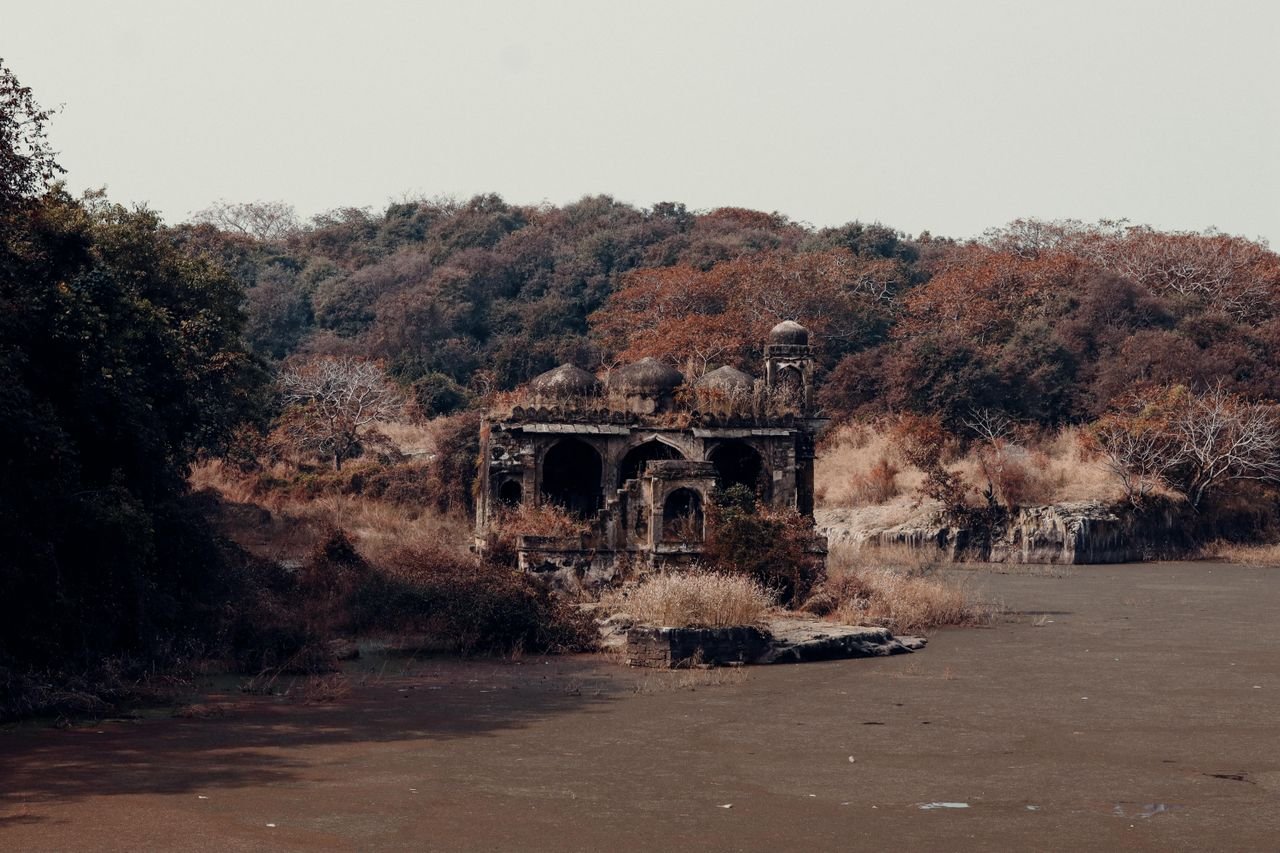
Why Ranthambore matters
Ranthambore protects habitat for a range of species and has contributed to tiger recovery beyond its own boundaries. Its importance therefore extends beyond the animals a visitor sees during one drive.
The destination also presents a practical challenge: conservation, tourism and the needs of neighbouring communities have to coexist. Spending with local guides, craftspeople and accommodation providers can help a trip contribute to livelihoods. Dastkar Ranthambore offers a documented example of craft work developed with women in communities around the reserve. Dastkar
For travellers, responsible choices are straightforward: respect wildlife space, follow route restrictions, avoid litter and choose experiences that explain the place rather than promise a particular animal encounter.
Landscape and flora: what does Ranthambore look like?
Ranthambore is a dry-forest destination, not a sand-dune safari landscape. Its woodland changes strongly with the seasons, and rocky ground, grass cover and water bodies create different habitats within the same landscape.
The flora includes dhok, an important dry-deciduous tree, alongside species such as khair, palash and salai. These trees help explain why the forest can look very different between the growing season and the dry months. Zoological Survey of India and NTCA fauna volume
| Plant or habitat | What to ask your guide about |
|---|---|
| Dhok woodland | Seasonal leaf changes and the structure of the dry forest |
| Khair | Its place in the woodland and local plant knowledge |
| Palash | Its distinctive flowers when in season |
| Salai | How different trees occupy rocky or dry terrain |
| Grassland and water edges | How vegetation, water and animal activity connect |
Use the drive to notice changes in habitat rather than looking only along the road. Ask the guide to identify plants you can see from permitted stopping places; do not collect flowers, branches or other natural material.
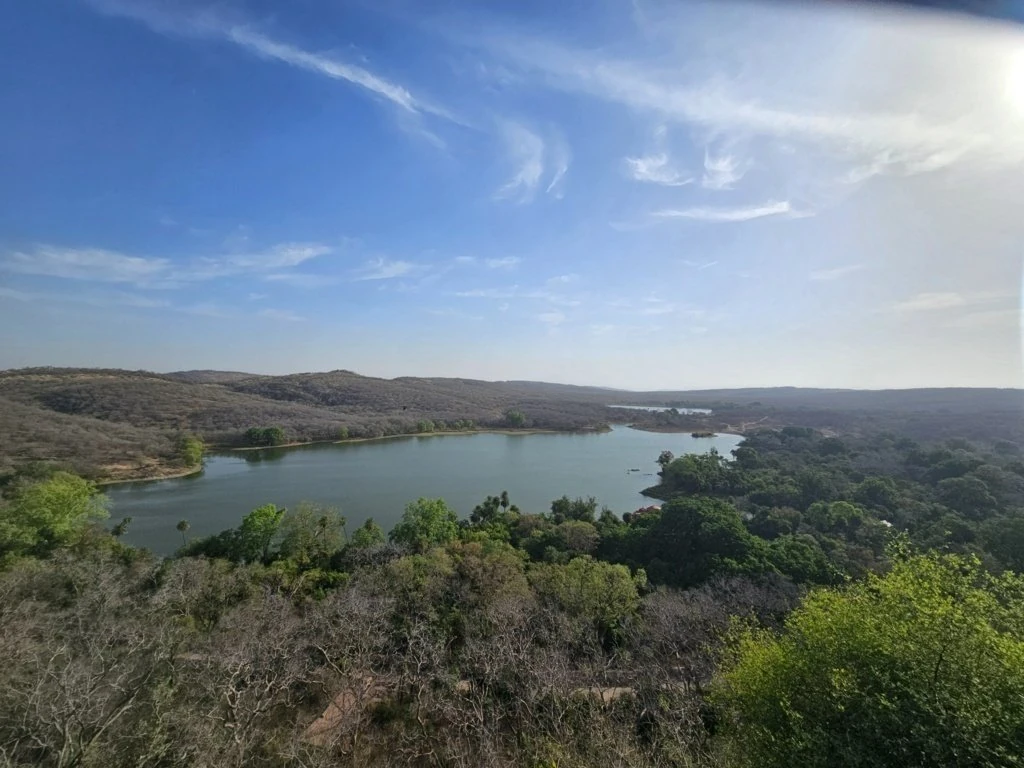
The lakes of Ranthambore
Padam Talab, Raj Bagh and Malik Talao are named wetland habitats in the Forest Department's conservation plan. Their aquatic plants, wildlife and visiting birds add another dimension to the dry-forest landscape. Ranthambhore conservation plan
These are not independent sightseeing stops that every safari reaches. What you can see depends on your allocated tourism route and current access arrangements. Ask your guide about the habitats on your own route rather than expecting one outing to cover all three lakes.
What animals are found in Ranthambore?
The tiger reserve supports much more than tigers. The following examples appear in the NTCA's Ranthambore profile; the list is illustrative, not a promise that each species can be seen on a tourist route. NTCA wildlife profile
| Wildlife category | Examples recorded in the reserve |
|---|---|
| Big cats | Bengal tiger and leopard |
| Other cats | Caracal and jungle cat |
| Other mammals | Sloth bear, striped hyena, jackal and Indian fox |
| Deer and antelope | Sambar, chital, chinkara and nilgai (blue bull) |
| Primates | Common langur |
| Other ground-dwelling mammals | Wild boar, mongoose and civet |
| Reptiles | Freshwater crocodile, python and monitor lizard |
Nilgai and common langur are also documented in the NTCA reserve evaluation.
Birdlife is another reason to pay attention between mammal sightings. Rajasthan Tourism highlights birds including serpent eagles and vultures, while the published fauna survey records painted storks, darters, little cormorants, grey herons and purple herons. Look at the water edges as well as the trees, without expecting every recorded species on one visit. Rajasthan Tourism, Faunal Diversity of Tiger Reserves in India
An animal's presence in the reserve does not mean it is commonly encountered. Treat elusive species such as caracal as exceptional possibilities, and avoid an itinerary built around ticking off every animal on a list.
How many tigers are there?
A Government of India parliamentary answer dated 3 April 2025 gives the 2022 assessment estimate of 57–63 tigers for Ranthambhore. This is a dated assessment, not a live population count for 2026. Tiger numbers reported elsewhere may use different dates, boundaries or age categories. Government parliamentary answer
Whatever the population figure, a safari samples only one route during a limited period. No responsible booking should guarantee a tiger sighting.
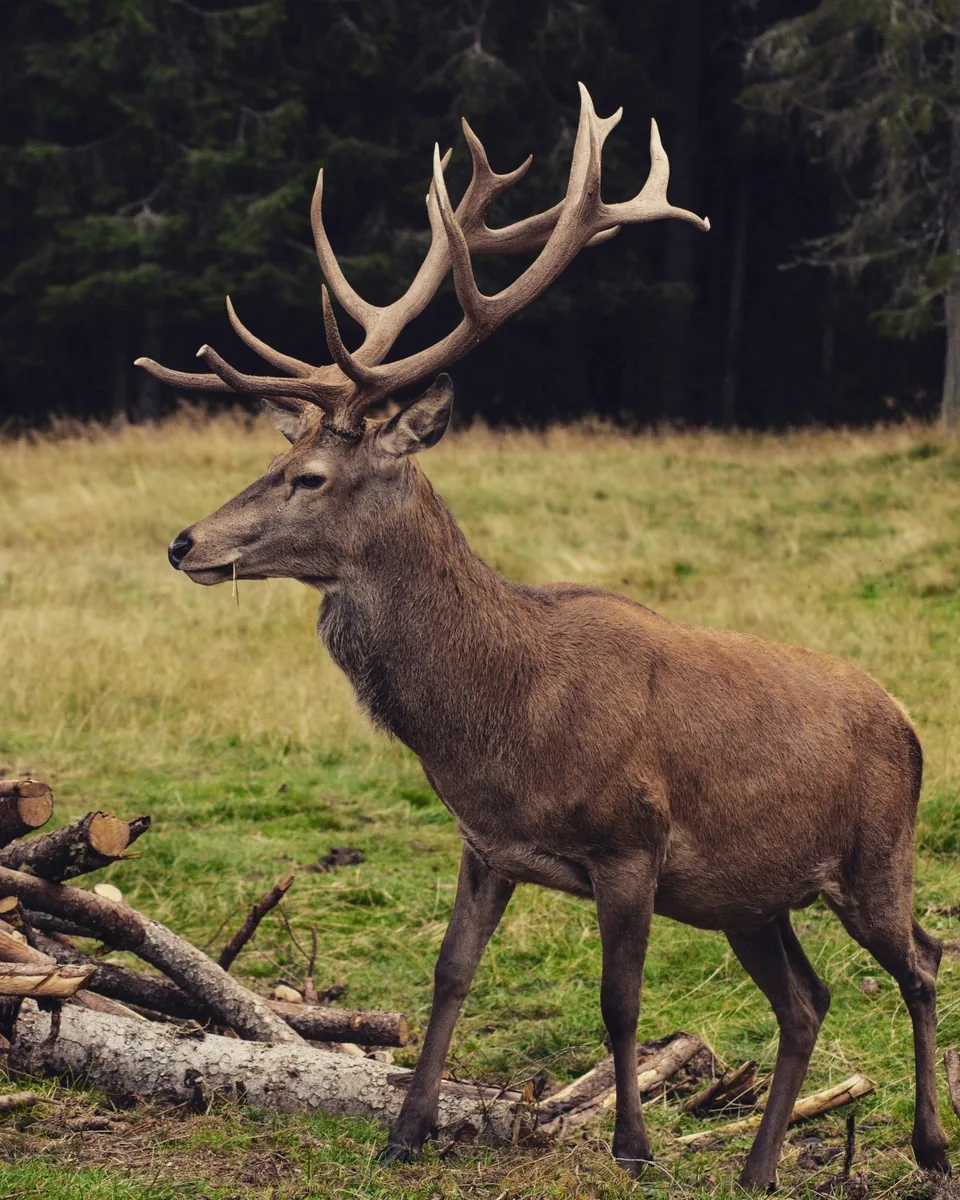
Places to visit beyond the safari
Ranthambore Fort
Set aside a separate visit for the fort, allowing a flexible half-day if you enjoy history, photography and a slower walking pace. The approach and monument exploration involve walking and steps; discuss mobility needs before arranging transport. A heritage guide can help distinguish surviving structures, historical evidence and local stories.
Trinetra Ganesh Temple
The Ganesh temple inside the fort is a living religious destination. Rajasthan Tourism describes a three-day Ganesh Chaturthi celebration, ending with the immersion of a replica idol in a nearby pond. This annual observance brings a different kind of visitor demand from wildlife tourism. Dress respectfully and follow instructions on footwear, worship and photography. Rajasthan Tourism: Sawai Madhopur
Rajiv Gandhi Regional Museum of Natural History
This museum in Sawai Madhopur introduces regional biodiversity, including displays related to Rajasthan and Ranthambore. It can give children and first-time safari visitors useful context for what they see outside. Confirm current opening hours and closure days before visiting. National Museum of Natural History
Crafts around Sawai Madhopur
Consider a prearranged craft visit or shopping stop connected with Dastkar Ranthambore. Its work includes textile-based skills and provides a way to explore the destination through the people who live around it. Ask about current visiting arrangements rather than assuming demonstrations are available every day. Dastkar Ranthambore
Other excursions
Rajasthan Tourism also identifies Shilpgram, Amreshwar Mahadev, Chauth Mata Temple and Khandar Fort among the area's attractions. Chauth Mata Temple and Khandar Fort require additional travel; treat them as separate excursions rather than quick stops inside the national park. Rajasthan Tourism: Sawai Madhopur
Check access and journey time before adding an excursion to a safari day. A long list of attractions is less useful than an itinerary with enough time to enjoy them.
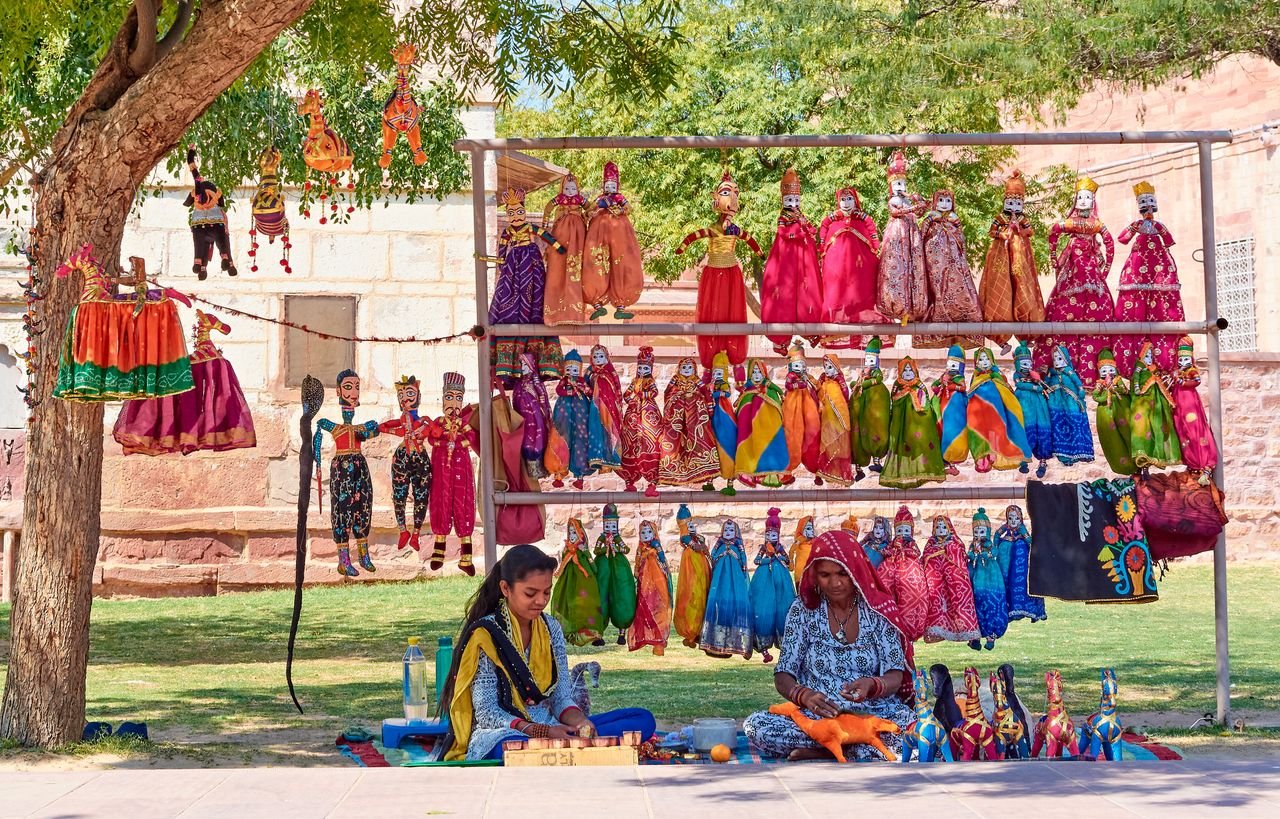
Culture, crafts and food
Ranthambore's cultural life includes pilgrimage, craft work and the everyday activity of Sawai Madhopur. Leave space to experience it without treating residential neighbourhoods or working artisans as a staged attraction.
The All India Artisans and Craftworkers Welfare Association documents patchwork, hand-block printing, tie-dye, sequin work, pottery, leatherwork and lac bangles in its account of Dastkar Ranthambore. A textile or craft visit can therefore introduce specific materials and techniques, rather than serving only as a souvenir-shopping stop. AIACA
Choose an organised visit with permission, ask before photographing people and pay fairly for demonstrations or handmade work. When buying textiles or souvenirs, ask who made them and where; this makes the purchase more meaningful than simply choosing a tiger motif.
For food, look for regional Rajasthani dishes such as dal baati churma, gatte ki sabzi, ker sangri and bajra roti. Some menus also offer laal maas. These are examples of Rajasthani cuisine available locally, not dishes unique to Ranthambore. Availability depends on the kitchen and meal plan. Sawai Madhopur hotel menu reference
If you have dietary requirements, arrange them with your accommodation before arrival. Also ask whether early safari departures can be supported with breakfast arrangements and whether lunch fits between your confirmed activities.
Best time to visit Ranthambore
October to March is our recommendation for a first visit combining wildlife and heritage, subject to safari availability. Cooler weather makes sightseeing easier; hotter months require more careful planning around outdoor activity. Choose your dates according to comfort and the kind of trip you want. Rajasthan Tourism seasonal guidance
| Period | Planning considerations |
|---|---|
| October–November | A useful period to consider for a wildlife-and-heritage trip after the monsoon; verify reopening and zone availability |
| December–February | Prioritise warm layers for early open-vehicle drives and book ahead for holiday dates |
| March | Plan around rising daytime temperatures and your group's heat tolerance |
| April–June | Build in rest, drinking water and protection from sun and dust; heat does not guarantee sightings |
| July–September | Plan around monsoon restrictions, rainfall and possible changes to access |
Is Ranthambore open during the monsoon?
Published booking guidelines specify a 1 July–30 September monsoon closure, with Zones 6–10 potentially remaining open. They list Wednesday closures for Zones 1–5 and Tuesday closures for Zones 6–10. These published arrangements are date-sensitive: check the live calendar and your confirmed permit rather than assuming a zone will operate because an earlier article says so. Published safari guidelines
Hotels, town visits and heritage outings have their own operating arrangements. A monsoon stay can still be planned around these, provided you confirm the individual attractions and do not treat safari access as assured.
Footfall and crowds: how busy does Ranthambore get?
A 29 June 2025 NDTV Rajasthan report, quoting the tourism DFO, recorded 727,268 park visits through May during that tourism season. The reported breakdown was 529,693 domestic visits, 197,146 foreign visits and 429 student visits. NDTV Rajasthan footfall report
This is a dated park-visit figure. It is not a verified count of unique people, a full calendar-year 2026 total or a forecast of crowding on your travel date. District-wide tourism figures for Sawai Madhopur cover a different scope and should not be substituted for safari footfall.
For planning, separate three kinds of demand: safari seats, hotel rooms and access around religious events. A hotel room being available does not mean a safari seat is available.
The booking portal advises advance planning for peak periods, weekends and holidays. If your dates are flexible, compare several departures and ask accommodation providers about large events during your stay. A weekday may offer more choice, but it cannot guarantee an empty route or an uncrowded wildlife sighting. Source: official Ranthambore safari information
Jeep or canter: which safari should you choose?
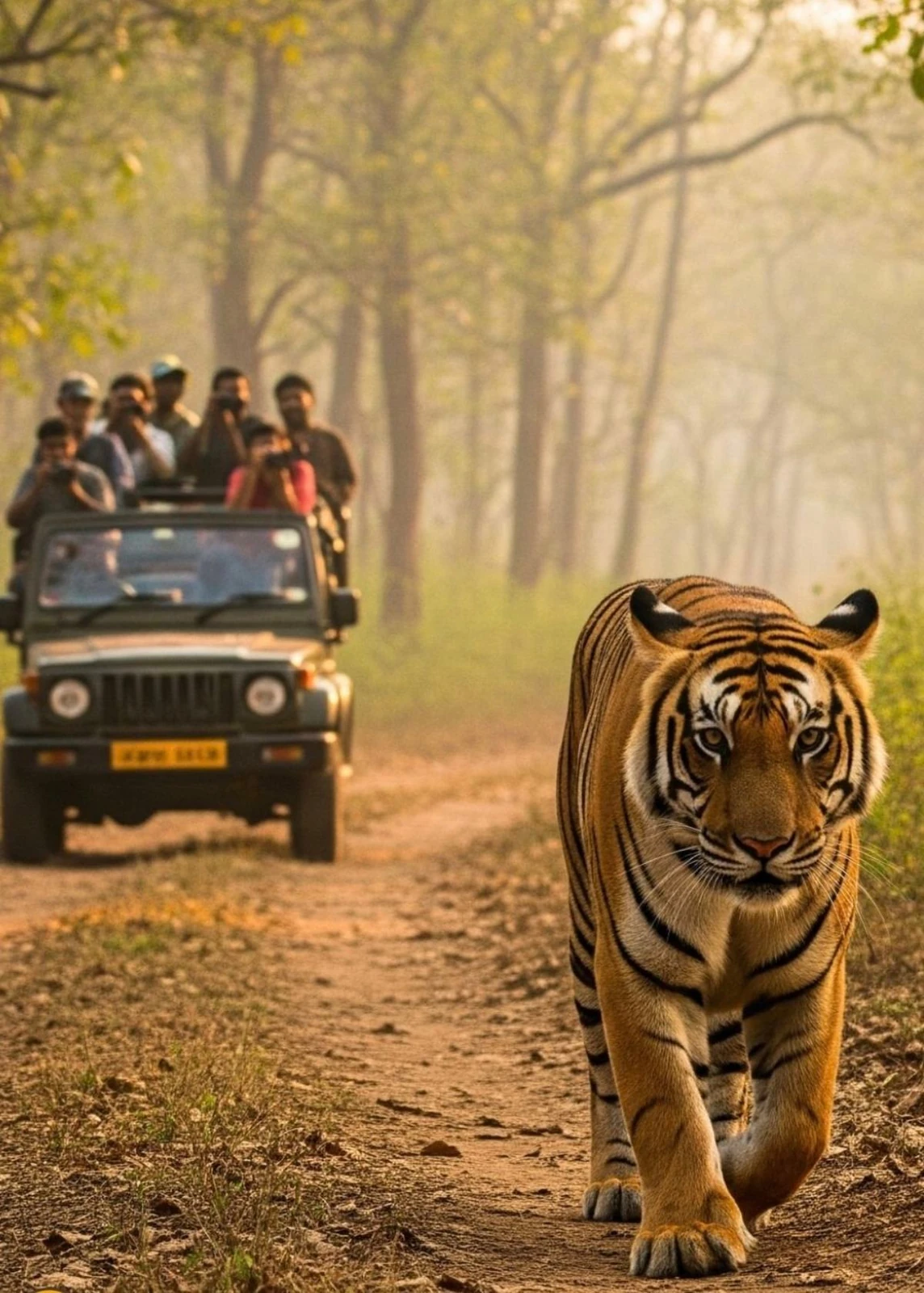
The booking portal lists six visitor seats in a Gypsy and 20 in a canter, with morning and afternoon/evening safari departures. Clock times vary seasonally. Source: Official Ranthambore safari information.
| Option | Why you might choose it | What to confirm |
|---|---|---|
| Shared Gypsy/jeep | A smaller vehicle group | Your seats, meeting point and sharing arrangements |
| Canter | A larger shared-vehicle outing | Departure details and whether the seating arrangement suits your group |
| Exclusive vehicle, where available | Keeping your group together | The permitted booking category, total charge and capacity |
A more expensive vehicle does not guarantee a better wildlife encounter. Choose according to group preference, comfort and confirmed availability.
Booking and identification
The current booking notice describes advance reservations up to 90 days before the visit, alongside separate short-notice booking categories. It also requires visitor details and identification to match; discrepancies can result in refused entry. Follow the current instructions when booking. Current booking information
Published guidelines require the original identification used for the reservation, with passports specified for foreign visitors. Keep names and document details consistent across your booking. Safari guidelines
For help arranging your safari, book with Safari Rajasthan. Our Ranthambore Jeep/Gypsy and Canter safari includes the forest entry fee and permit, a shared safari seat, a government-authorized guide, Ranthambore hotel pickup and drop-off, and assistance with permit processing and confirmation.
Select your travel date, traveller numbers and preferred option to review the total price and booking conditions. Our team will contact you for the identification details required to arrange your permit. Safari confirmation remains subject to availability; a particular zone or tiger sighting cannot be guaranteed.
View Ranthambore Safari Options & Prices
Official rules and permit information: Rajasthan Forest Department.
Mobile phones and photography
The booking notice currently states that mobile-phone use is not permitted within tourism zones of the reserve's core habitat. Reporting on the restriction's introduction in early 2026 describes its application across safari routes. Do not plan to use your phone for safari photography; confirm how phones will be handled and which separate camera equipment is permitted before departure. Current booking notice, February 2026 reporting
How to reach Ranthambore
By train
Sawai Madhopur Junction is the main rail gateway. Rajasthan Tourism identifies rail connections with cities including Delhi, Mumbai and Jaipur. Check current trains for your date, then arrange the transfer to your specific accommodation. Rajasthan Tourism
Avoid scheduling a tightly timed safari immediately after a long train journey. Arrival delays, hotel formalities and the drive to the reporting point can leave little margin.
By air
Jaipur International Airport is a practical gateway, followed by a road transfer. As a location-specific example, Oberoi lists approximately 157 kilometres and three hours from Jaipur airport to its Ranthambore resort. Your hotel's journey can differ. Oberoi travel information
Approximate road distances from major cities
These are rounded planning ranges, not live navigation results. They allow for different city starting points, routes and accommodation locations. Travel times are estimates and can increase with stops, congestion or road conditions.
| Starting city | Approximate road distance | Allow roughly |
|---|---|---|
| Jaipur | 160–190 km | 3–4 hours |
| Delhi NCR | 350–450 km | 5–8 hours |
| Agra | 280–300 km | 5–6 hours |
| Kota | 120–150 km | 2.5–3.5 hours |
| Ajmer | 260–290 km | 5–6 hours |
| Jodhpur | 460–500 km | 8–10 hours |
| Udaipur | 400–450 km | 7–9 hours |
Ranges are our planning interpretation of published property and route information, rather than precise gate-to-gate measurements. References: The Ranthambhore Bagh route guide, Oberoi travel information.
Common approaches include Jaipur via the Lalsot side, Agra through the Bharatpur–Dausa–Lalsot corridor, and Udaipur through Chittorgarh and Kota. Ask your driver to confirm the current route and your hotel's final approach. The Ranthambhore Bagh route guide
Can you visit from Jaipur in one day?
Yes. Our Ranthambore safari day trip from Jaipur combines private round-trip travel in an air-conditioned vehicle with a shared Jeep/Gypsy or Canter safari. The tour includes the forest entry fee, safari permit and a government-authorized guide during the safari.
This is a long day trip. An overnight stay allows more time for rest, heritage sightseeing and additional safari outings. Check the selected option’s inclusions and cancellation conditions before booking.
View Jaipur to Ranthambore Safari Options & Prices
Where to stay: types of Ranthambore resorts and hotels
Choose accommodation by location, room comfort and the service you need around early departures. A label such as “jungle resort” does not establish that a property is inside the national park.
| Accommodation type | Best suited to | Questions to ask |
|---|---|---|
| Budget hotel or guesthouse | Visitors prioritising a simple base | Is the room air-conditioned? Are meals and transfers available? |
| Midrange resort | Families and couples wanting facilities between outings | What is included in the meal plan? Are family rooms available? |
| Small lodge or boutique stay | Travellers preferring fewer rooms and personal service | Is a naturalist available? What activities are actually included? |
| Permanent tented accommodation | Visitors wanting a tent-style stay with varying levels of comfort | Does the tent have an attached bathroom, heating or cooling? |
| Luxury resort | Travellers prioritising spacious rooms, dining and service | Which experiences and transfers cost extra? |
| Heritage hotel or restored-fort retreat | Travellers interested in architecture and a slower stay | How far is it from the assigned safari meeting point? |
Tented accommodation can be luxurious: The Oberoi Vanyavilas offers luxury tents. The Maharaja's Lodge provides a heritage-hotel example, while Six Senses Fort Barwara is a separate restored-fort property at Barwara. It is not accommodation inside Ranthambore Fort.
These examples illustrate different accommodation styles, not a ranking or a promise of current availability.
Which location should you choose?
For a short stay, compare the complete journey between the station, hotel and confirmed safari meeting point. A remote retreat may suit a longer resort break but add transfers to early starts.
Ask for the hotel's map pin and the expected drive for your booked zone. Also confirm breakfast timing, hot water, late arrival meals, cancellation terms and whether transfers cover your actual pickup location. Treat “eco-friendly” as a claim to investigate through specific practices such as water use, waste handling and local employment.
Suggested Ranthambore itinerary: two nights and three days
This itinerary is our planning recommendation. Arrange the sequence around permits, attraction opening arrangements and arrival times.
| Day | Suggested plan |
|---|---|
| Day 1 | Arrive in Sawai Madhopur, check in and allow time to rest. Choose a museum or craft visit if your arrival leaves enough time. |
| Day 2 morning | Take a confirmed morning safari. Return for breakfast or brunch, depending on your hotel's arrangements. |
| Day 2 later | Explore Ranthambore Fort and Trinetra Ganesh Temple, allowing for walking pace and weather. |
| Day 3 morning | Take a second confirmed safari if desired and available. Return with enough time for checkout and your onward connection. |
If wildlife is your main interest, consider three nights and spread outings over more departures. Each outing offers another opportunity to observe the forest, without assuring any particular sighting.
For a heritage-focused visit, one safari plus a more detailed fort visit and a community craft experience may be a better use of time than filling every morning and afternoon with drives.
How to budget for a Ranthambore trip
A useful budget separates costs instead of relying on one “starting from” price.
| Cost component | Check before paying |
|---|---|
| Travel to Sawai Madhopur | Train or flight fare, road transfer and any overnight travel |
| Accommodation | Room category, occupancy, meals and taxes |
| Safari | Vehicle category, number of outings, permit and guide arrangements |
| Local transfers | Station pickup, safari reporting-point transfer and sightseeing transport |
| Heritage and cultural activities | Guide, transport and applicable admission or experience charges |
| Personal spending | Extra meals, drinks, camera-related charges where applicable, shopping and tips |
Ask whether a quoted price is per person, per vehicle, per outing or for the whole package. Confirm that the traveller category and group size match your reservation, and read the cancellation conditions for each component.
To control costs, first decide which experiences matter most. Confirm safari availability, then choose accommodation that fits the remaining budget. Compare equivalent inclusions rather than assuming the lowest headline price is the lowest final cost.
What to pack and how to prepare
Bring comfortable closed footwear, layers suitable for your travel month, sun protection and the identification required for your reservation. Protect a permitted camera from dust and follow the current phone instructions.
Keep the day's essentials manageable. Arrange drinking water and meals with your accommodation, and ask about toilet opportunities before departure. If anyone needs help boarding a vehicle, finds bumpy journeys difficult or has limited walking stamina, discuss the route and vehicle with the operator before booking.
During activities, follow the guide's instructions, remain within permitted areas, avoid feeding animals and carry litter out. Never pressure a driver to chase wildlife or approach an animal more closely for a photograph. Heritage and temple visits also deserve care: avoid climbing on fragile structures and follow site-specific photography rules.
Frequently asked questions about Ranthambore
Is Ranthambore worth visiting without a tiger sighting?
Yes, if you are interested in wildlife more broadly, landscapes and heritage. Build a trip that includes the fort or a cultural visit so its value does not depend on one animal encounter.
Is Ranthambore only a safari destination?
No. It can also support a heritage, pilgrimage, craft or resort-focused visit. Choose activities around your interests rather than assuming every available day must include a safari.
How many days are enough for a first visit?
We recommend two nights and three days for an introductory itinerary. Extend the stay if you want more safari departures, a slower pace or additional excursions.
Can you explore the national park in your own car?
Do not plan an independent drive through safari zones. Make the required tourism booking and follow the authorised vehicle, route and entry arrangements. Safari guidelines
Which Ranthambore safari zone is best?
There is no dependable best zone for every date. Wildlife moves, and a recent sighting does not promise another. Choose from permitted availability and ask about the landscape and journey as well as animals.
Is a morning safari better than an afternoon safari?
Neither departure guarantees better sightings. Choose according to the season, your comfort and availability. If planning several outings, varying departures can provide a broader experience.
Does a safari ticket include Ranthambore Fort?
Do not assume that it does. Confirm fort transport, guiding and any applicable entry arrangements separately unless your selected package explicitly includes them.
Can children and older travellers visit Ranthambore?
A tailored itinerary can include activities with different physical demands. Confirm vehicle access, journey conditions, walking requirements and suitable room arrangements for the people travelling.
Are hotels inside Ranthambore National Park?
Do not infer a protected-area location from a hotel's name or marketing photographs. Ask for its exact address and the drive to your confirmed meeting point.
Is a luxury tent the same as basic camping?
No. “Tented” describes a type of accommodation rather than a fixed comfort level. Check the bathroom, bed, heating or cooling, meals and other facilities for the specific room you reserve.
Can a safari sell out while hotels still have rooms?
Yes. Treat accommodation and safari availability as separate checks. Obtain confirmation of the activities important to you before committing to the rest of a tightly scheduled trip.
What should international visitors confirm first?
Check passport details against the reservation, arrival connections, permitted luggage or camera arrangements, and the meeting point. Request a clear explanation of inclusions and current entry instructions before travel.
Can I use my phone for photographs during a safari?
Plan on following the current mobile-use restriction described above. Confirm permitted separate camera equipment and phone-handling arrangements before departure. Current booking notice
Plan your Ranthambore visit
Start with the experience you want: a safari-focused break, a day trip, or a longer visit combining wildlife and heritage. Then match the dates, permits, accommodation and transport to that plan.
View Ranthambore Tours, Prices & Booking Options to compare the options currently available through Safari Rajasthan. Review each product's itinerary, inclusions and conditions, and confirm your selected date before finalising the rest of your trip.
This guide was reviewed on 10 September 2026. Historical and conservation references are linked throughout. Visitor figures retain their reporting periods; road distances and suggested itineraries are planning estimates. Check the latest Forest Department instructions, attraction arrangements and accommodation details before travelling.